Tool

who_am_ilist_recordsget_record
+33 more actions
Uses: Capture And Convert Inbound Leads, Create And Update Deals Contacts And Organizations, Move Deals Through Pipeline Stages
Animal care, pet services, wildlife management, zoos, animal shelters, breeding, equine services
The veterinary industry serves a growing pet population — over 65% of U.S. households own a pet, and spending on veterinary care exceeds $38 billion annually. At the same time, the industry faces a critical shortage of veterinarians and support staff. AI agents are helping practices handle more patients, improve diagnostic accuracy, and reduce the administrative burden that contributes to clinician burnout.
AI agents are making advanced diagnostics accessible to general practice veterinarians. SignalPET and Vetology AI analyze radiographs within seconds, highlighting potential abnormalities — fractures, masses, cardiac enlargement, and foreign bodies — with annotations that guide the veterinarian's review. These systems do not replace clinical judgment but accelerate image interpretation, especially in emergency settings where speed matters and specialist radiologists may not be immediately available.
Veterinary practices juggle appointments across multiple doctors, exam rooms, and procedure types. AI scheduling agents optimize appointment booking, reduce gaps in the daily schedule, and manage waitlists for canceled slots. They handle appointment reminders via text and email, reducing no-show rates by 25–35%. Integration with practice management systems ensures that patient records, vaccination schedules, and prescription histories are up to date before each visit.
Pet owners expect responsive communication from their veterinary providers. AI agents manage post-visit follow-ups, medication reminders, vaccination due dates, and wellness check scheduling. They respond to common inquiries — hours, pricing, appointment availability — through website chat and text messaging, ensuring that front desk staff can focus on in-clinic patient care rather than fielding routine calls.
AI-powered triage agents help pet owners assess whether a situation requires emergency care, a scheduled appointment, or home monitoring. By asking structured questions about symptoms, AI agents route cases appropriately — reducing unnecessary emergency visits while ensuring genuinely urgent cases get immediate attention. Veterinary telemedicine platforms use AI to gather pre-consultation histories, making virtual appointments more efficient.
Veterinary pharmacies manage hundreds of medications, supplements, and consumables. AI agents track inventory levels, predict reorder points based on prescription patterns and seasonal trends, and flag expiring stock. Automated dispensing workflows reduce medication errors and ensure that commonly prescribed items are always in stock.
Veterinary professionals entered the field to care for animals, not to process paperwork. AI agents handle the scheduling, communication, inventory, and diagnostic support tasks that consume staff time, allowing veterinary teams to see more patients and provide better care without increasing headcount in a labor-constrained industry.

In a single week, a cluster of research releases showed AI in the animal world moving from finding and counting animals to reading them: re-identifying individuals on GPU-free hardware, inferring diet from feeding sounds, and mapping a songbird's calls. With the capture problem largely solved, the advantage now shifts to the operational work around the model, choosing it on cost and quality, keeping a human on high-stakes calls, and recording why it decided what it did.
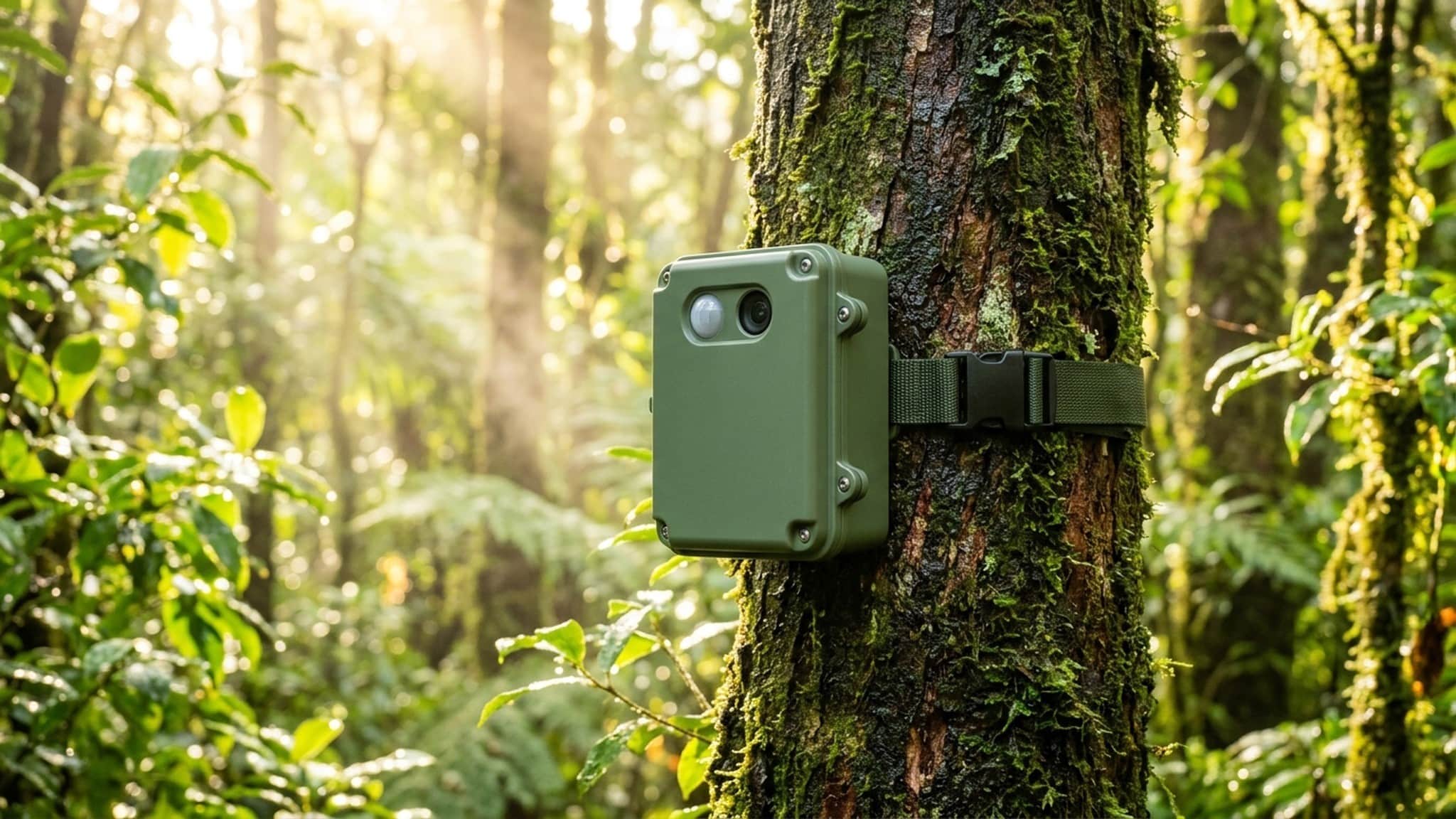
Beyond the shift from detecting animals to interpreting them, late June brought a landscape-scale AI wildlife survey in Cambodia, a widening race to decode animal communication across species, and a Cornell summit setting ground rules for AI in veterinary medicine.

A digest of the week's other veterinary AI news: how AI search is consolidating which animal hospitals get recommended, Saudi Arabia's national AI disease-surveillance platform, and Cornell's push to build shared benchmarks for veterinary AI.

VetRec's ambient AI documentation platform is now live across more than 70% of VEG ER for Pets' 130-plus emergency hospitals, marking the point where ambient AI scribes crossed from pilot to standard equipment in veterinary medicine. For clinics, the live question has shifted from whether to adopt one to how to run an AI safely inside a legal medical record, putting audit trails, credential security, and human sign-off at the center of how any veterinary AI software should be judged.
Pipedrive is now a managed connector on AgentPMT, letting an AI agent read and write your CRM: capturing leads, building and advancing deals, logging notes, and booking follow-ups. Wired into AgentPMT workflows, it runs real sales automation that keeps your pipeline clean while your team sells.
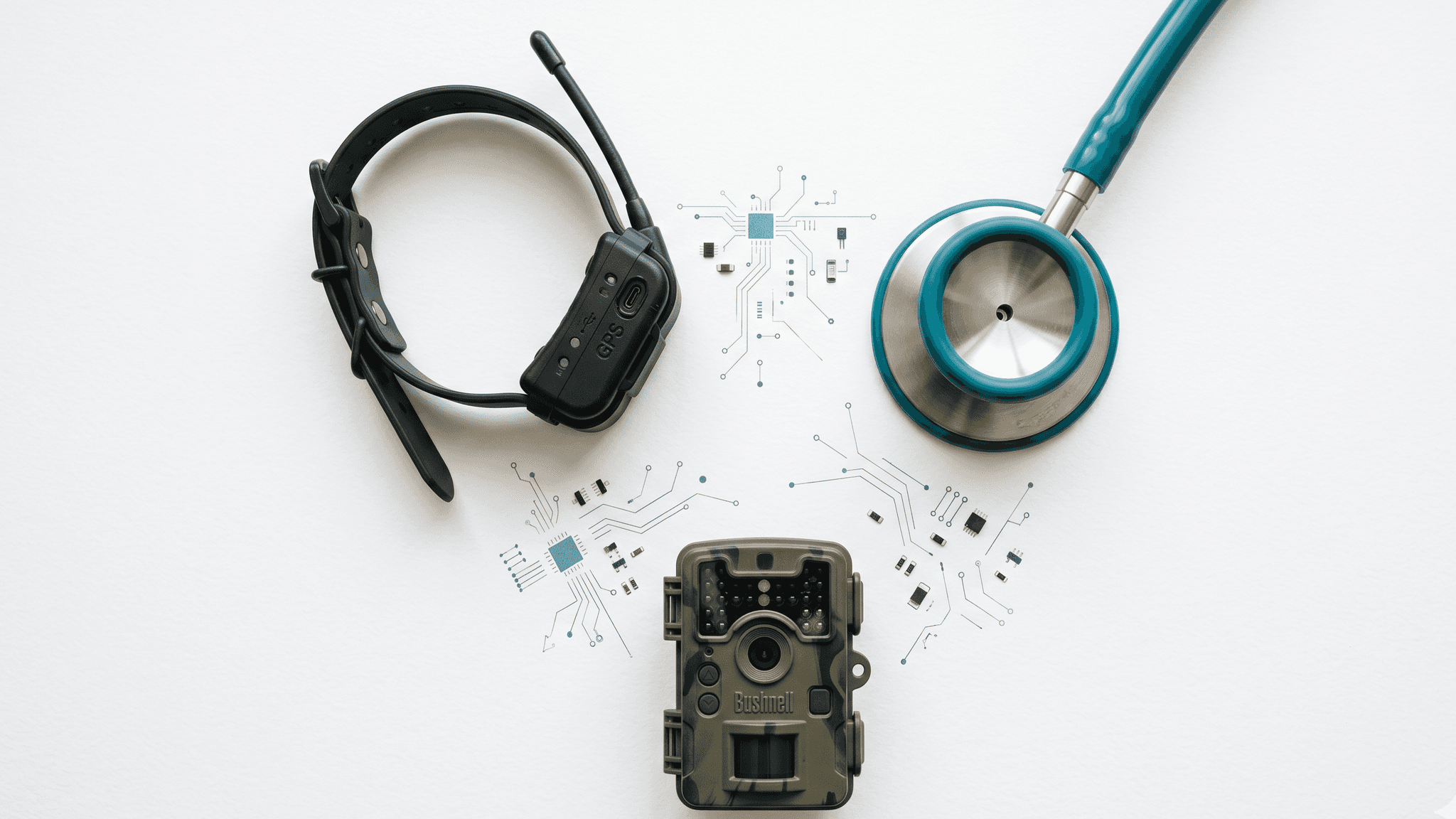
Between April 27 and May 1, 2026, three serious animal AI products shipped into real-world settings: Halter routed cattle collars through Starlink, Boehringer Ingelheim and Eko Health put a heart-murmur AI in general-practice exam rooms, and Parks Victoria open-sourced a 212-species wildlife model. The week's signal is that the bottleneck for animal AI has shifted from model accuracy to deployment surface — connectivity, point-of-care hardware, and distribution — with implications well beyond animal health.
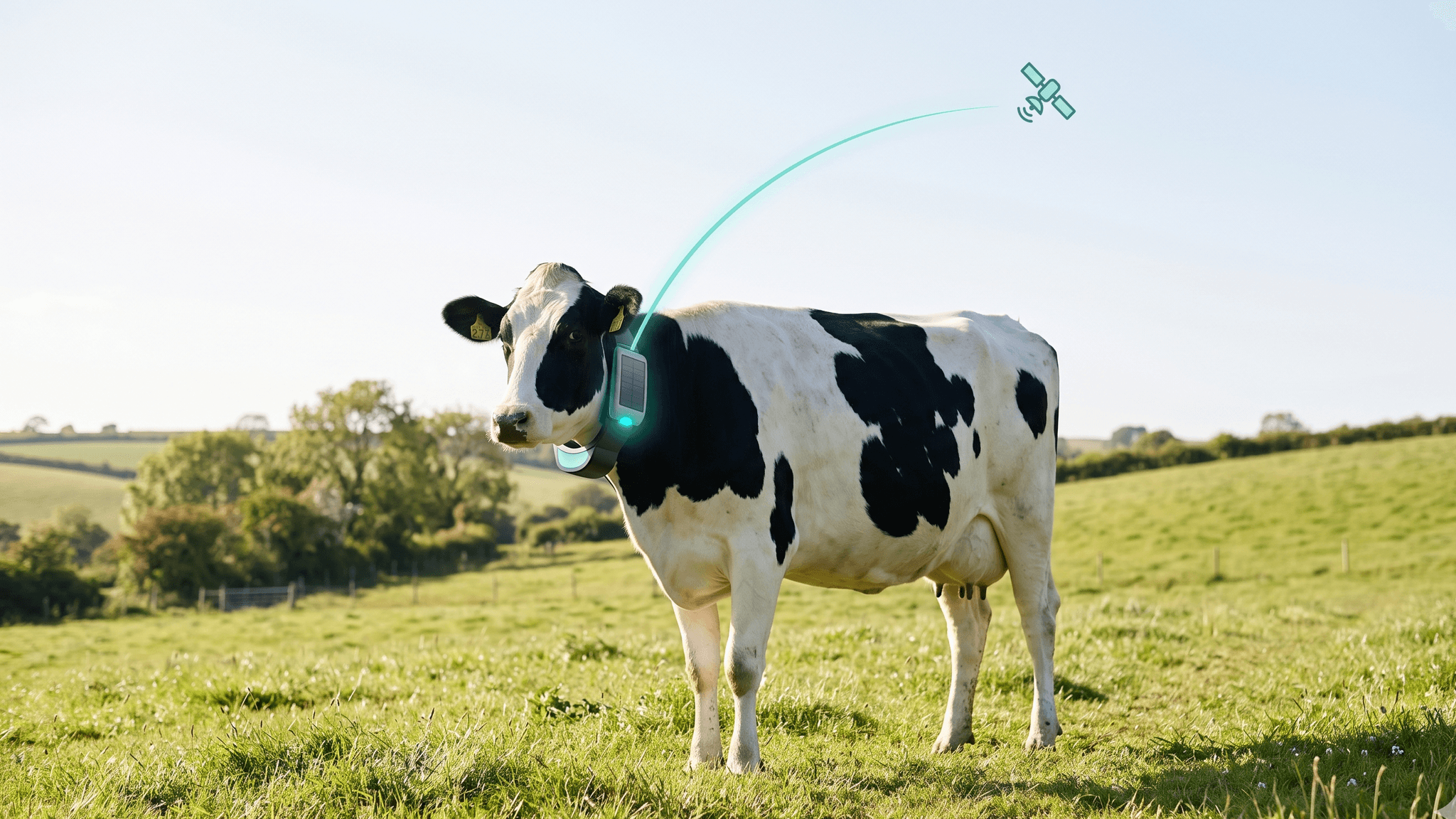
Five animal health AI launches from late April to early May 2026 — including Halter's direct-to-Starlink cattle collars, Boehringer Ingelheim and Eko Health's CANINEBEAT canine heart murmur AI, and Parks Victoria's open-source 212-species wildlife recognition model.

Halter's $220 million Series E, led by Peter Thiel's Founders Fund, prices animal health AI at a $2 billion valuation — the clearest public signal yet that livestock-focused AI has moved into scaled production. The round arrived the same week as a second Singapore cultivated-meat approval, a compressed AI deployment playbook for ag lenders, and fresh evidence that the federal food recall system is still running years behind the food it is supposed to protect.
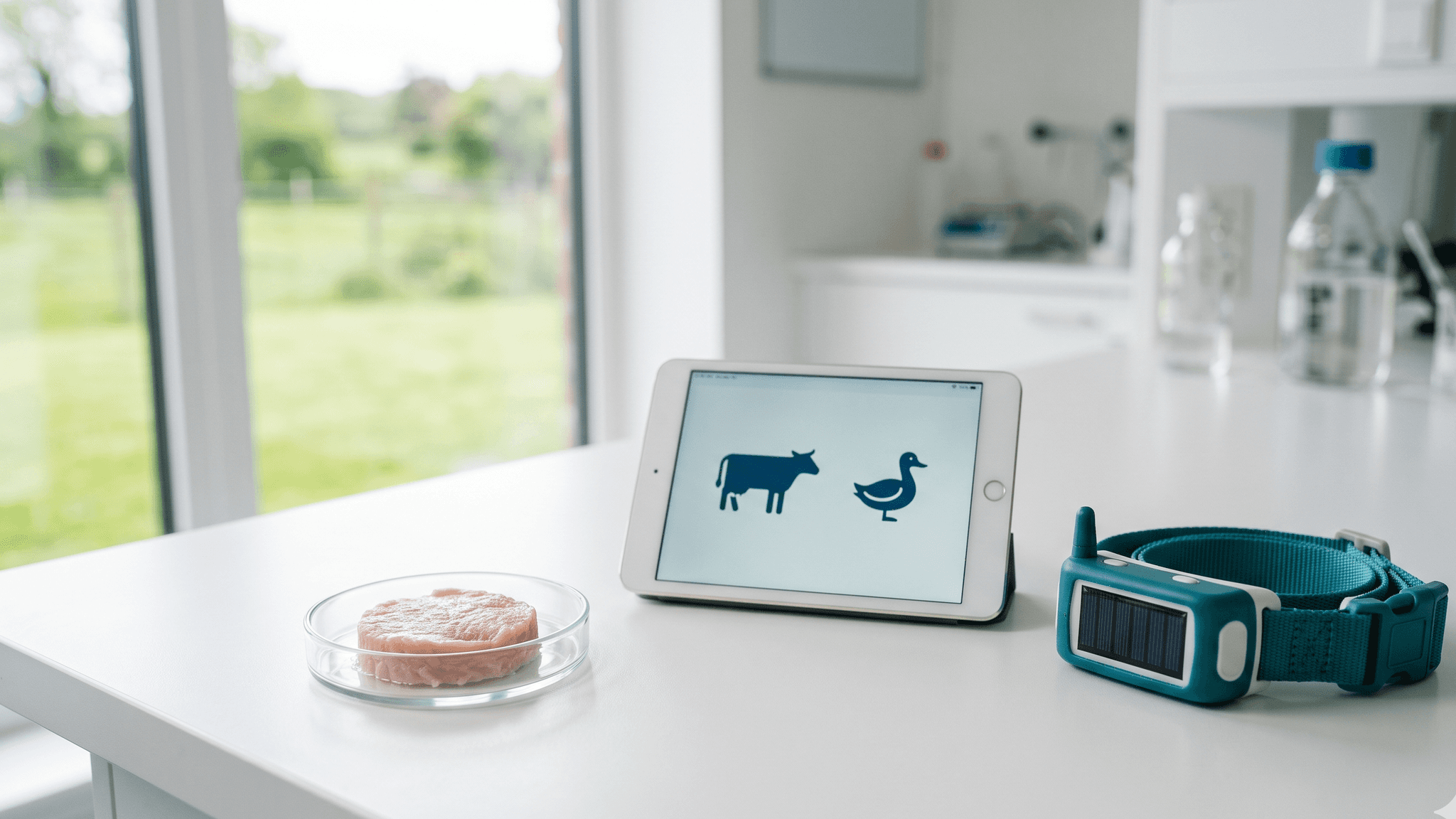
Halter's $220M Series E at a $2B valuation anchored a week of animal health AI milestones — cultivated duck's second Singapore approval, a $51.6B market forecast, and a 90-day ag-lender AI playbook — while a PIRG report documented multi-year food recall delays.