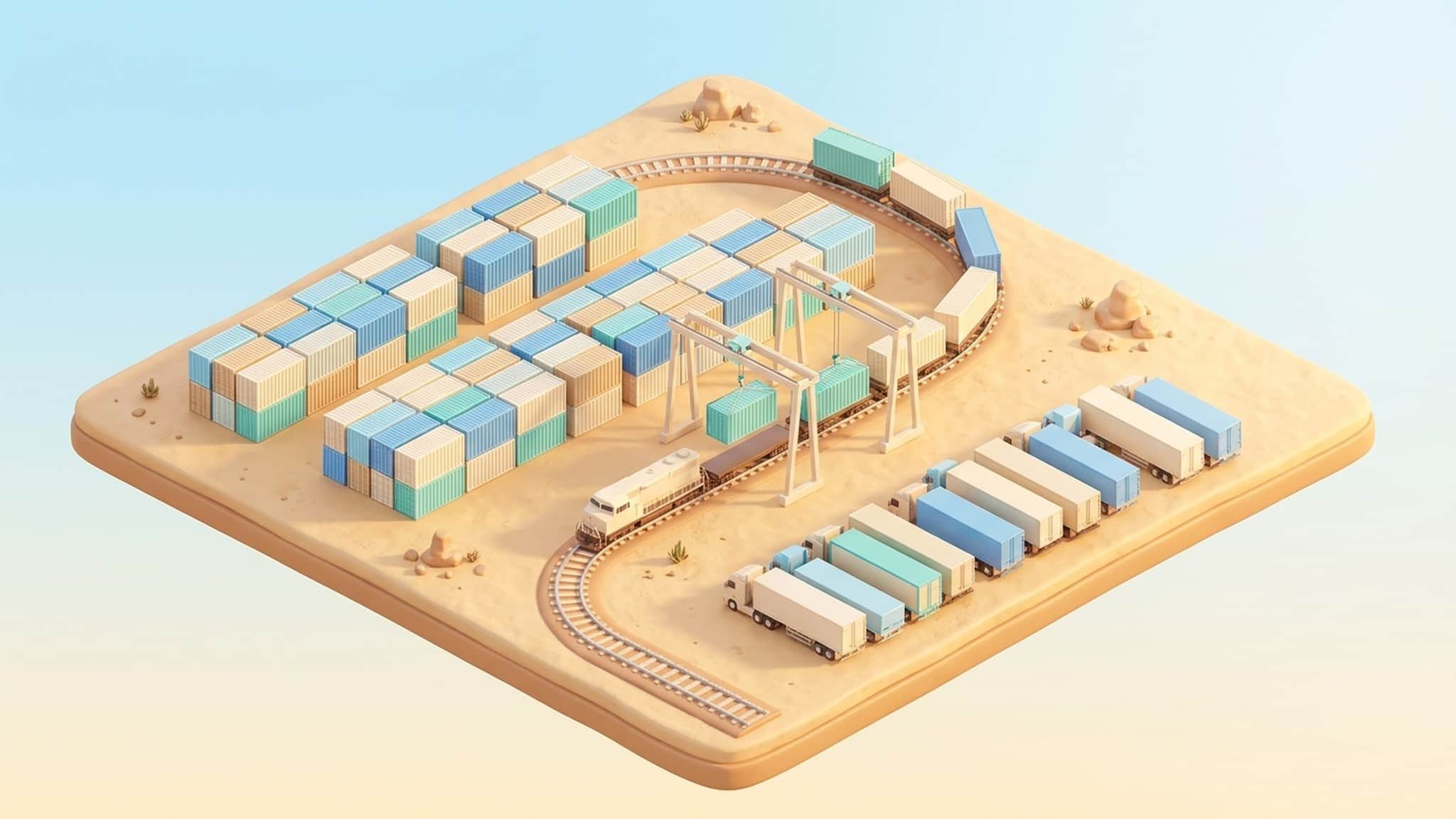
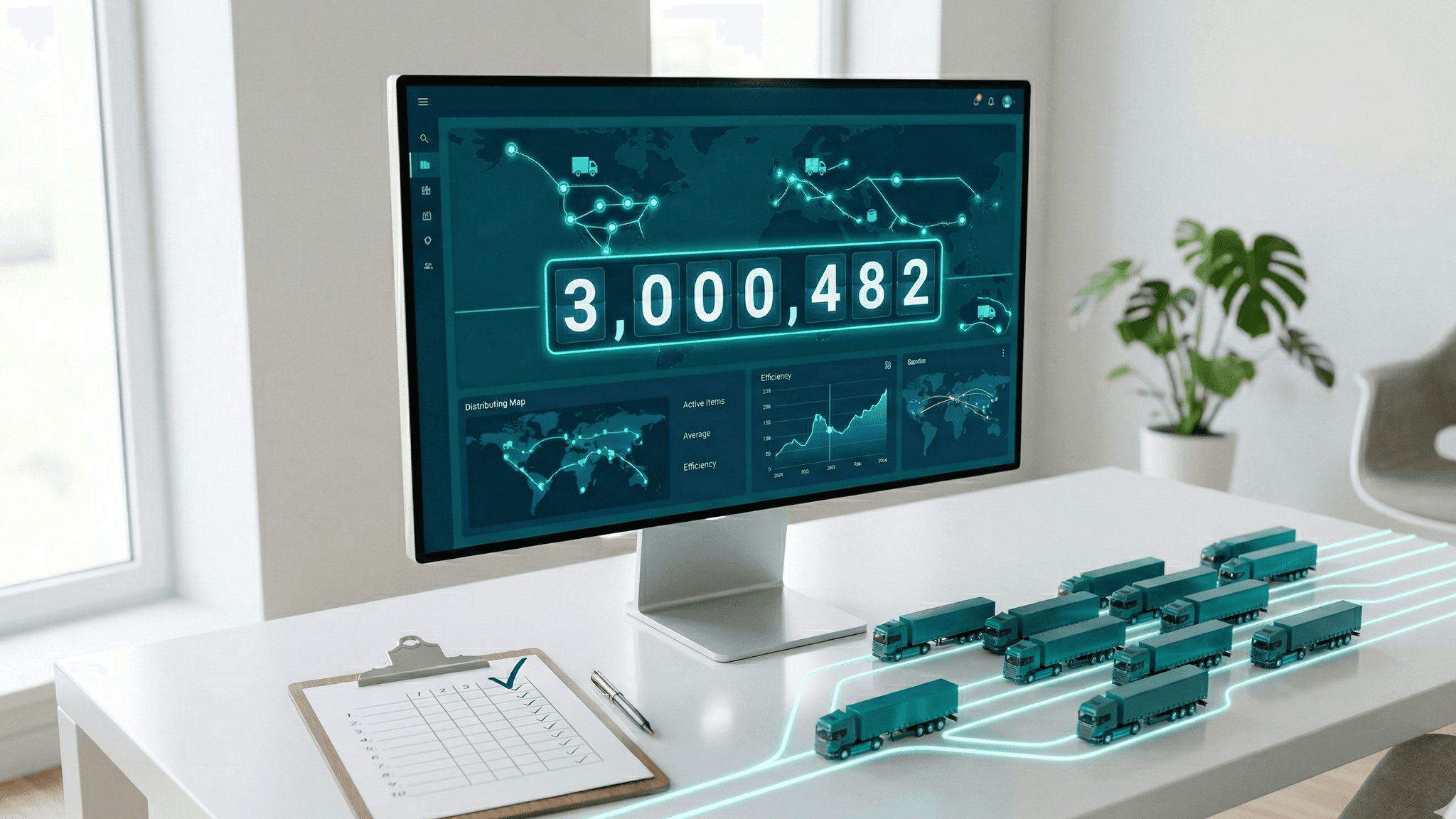
Transportation and logistics move the global economy. Every day, millions of shipments traverse supply chains that span oceans, highways, and last-mile delivery networks. AI agents are now the intelligence layer managing route optimization, fleet operations, warehouse automation, and freight matching at a scale that makes manual coordination obsolete.
Route Optimization & Dispatch
AI routing agents solve vehicle routing problems with hundreds of constraints — time windows, load capacity, driver hours, traffic patterns, and customer priority. UPS's ORION system processes 250 million address points daily, optimizing delivery routes to save 100 million miles per year. FedEx and DHL deploy similar AI agents that recalculate routes in real time as conditions change, reducing fuel costs and improving on-time delivery rates.
Fleet Management & Predictive Maintenance
Commercial fleets with thousands of vehicles generate continuous telemetry — engine diagnostics, tire pressure, fuel consumption, driver behavior. AI agents analyze this data to predict maintenance needs, optimize fuel efficiency, and schedule servicing during planned downtime. Samsara and Motive deploy AI dashcams and telematics agents that reduce accident rates by coaching drivers in real time on following distance and distracted driving.
Warehouse Automation & WMS Integration
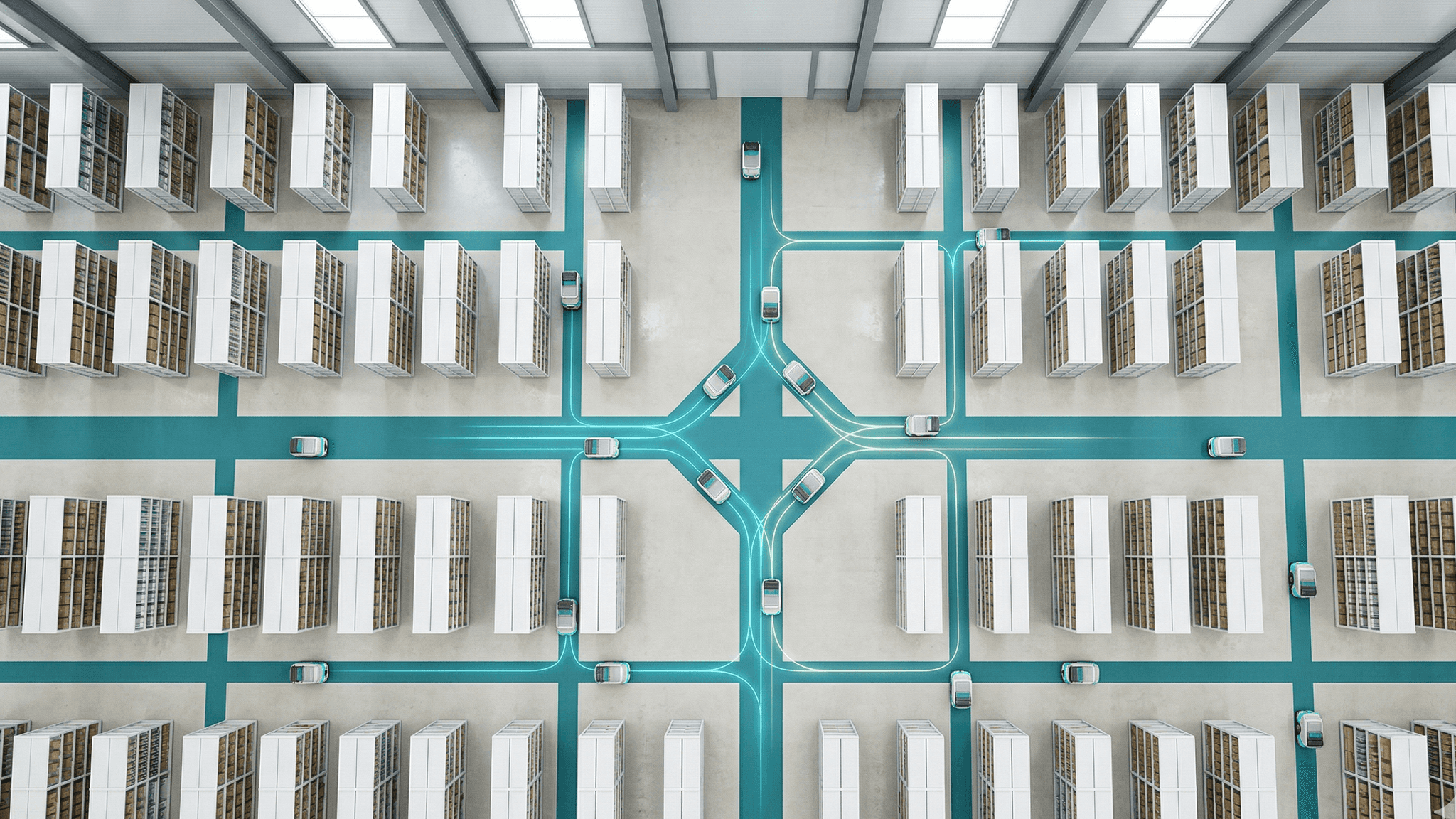
Modern distribution centers are AI-orchestrated operations. Autonomous mobile robots from Locus Robotics and 6 River Systems navigate warehouse floors, picking and transporting products to packing stations. AI agents manage slotting optimization, wave planning, and labor allocation — Amazon's fulfillment AI coordinates over 750,000 robots across its warehouse network, processing millions of orders daily.
Freight Matching & Digital Brokerage
The freight brokerage industry has historically relied on phone calls and personal relationships. AI agents now match loads with carriers, negotiate rates, and manage booking documentation automatically. Convoy and Uber Freight use matching algorithms that consider lane history, carrier reliability, equipment type, and price sensitivity to fill trucks faster and reduce empty miles.
Visibility & Exception Management
End-to-end supply chain visibility requires integrating data from ocean carriers, rail networks, trucking companies, and customs systems. AI agents from FourKites and project44 provide predictive ETAs, flag exceptions before they cascade, and trigger proactive rerouting or customer communication when shipments deviate from plan.
What This Means for Logistics Operations
Transportation margins are razor-thin and disruptions are constant. AI agents transform logistics from reactive — scrambling when things go wrong — to predictive and autonomous. The operators deploying agentic automation are moving more freight with fewer errors, lower costs, and better service than those still relying on manual dispatch and spreadsheet planning.