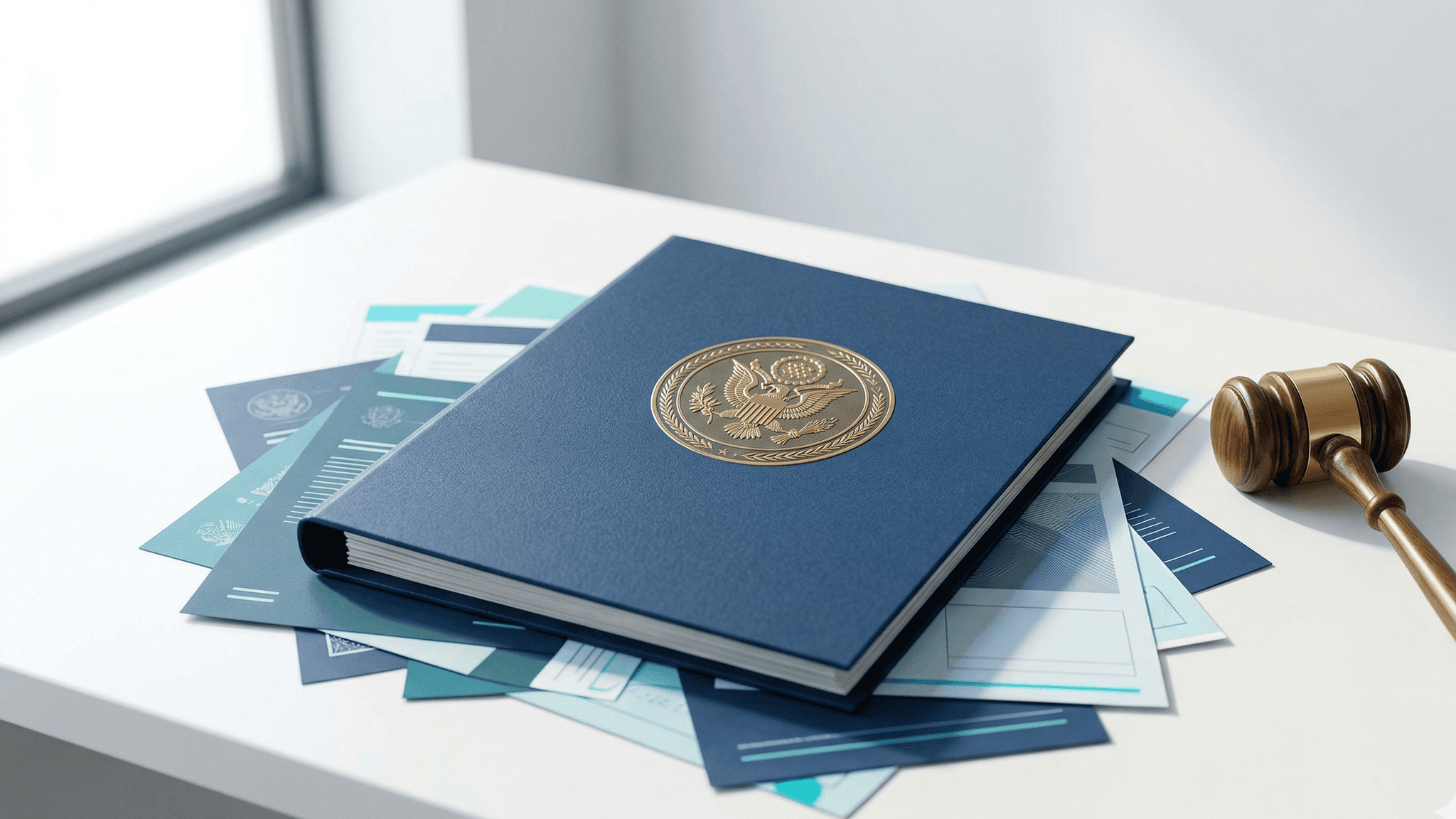
Government agencies serve millions of constituents with constrained budgets, aging technology, and increasing demand for responsive services. AI agents are modernizing public sector operations — from citizen-facing services and fraud detection to internal operations and policy analysis — while maintaining the transparency and accountability that public trust requires.
Citizen Services & Digital Government
Residents interact with government for permits, licenses, benefits, tax filing, and dozens of other services. AI agents power conversational interfaces that guide citizens through complex processes, answer questions about eligibility, and track application status. The IRS Direct File program and similar state-level initiatives use AI to simplify tax filing. Cities like San Jose and Los Angeles deploy AI chatbots that handle hundreds of thousands of resident inquiries annually, reducing call center wait times by 40–60%.
Fraud Detection & Program Integrity
Government benefit programs — unemployment insurance, Medicaid, SNAP, tax refunds — are targets for fraud that costs taxpayers billions annually. AI agents analyze application patterns, cross-reference databases, and flag anomalies in real time. During the pandemic, states that deployed AI fraud detection on unemployment claims identified billions in fraudulent payments that rule-based systems missed. The IRS uses AI to identify suspicious tax returns, recovering additional revenue through targeted audit selection.
Regulatory Compliance & Permitting
Permitting and regulatory compliance involve complex rule sets that vary by jurisdiction. AI agents accelerate permit review by checking applications against zoning codes, building standards, and environmental regulations — identifying issues and requesting corrections before human reviewers spend time on incomplete submissions. Cities using AI-assisted plan review report 30–50% reductions in permit processing time.
Public Safety & Emergency Management
AI agents assist public safety agencies with emergency dispatch optimization, crime pattern analysis, resource deployment, and disaster response coordination. Predictive policing has evolved toward community-focused models that identify environmental risk factors — lighting, infrastructure disrepair, vacant properties — rather than targeting individuals. During natural disasters, AI agents process social media, sensor data, and satellite imagery to coordinate evacuation routes and resource distribution.
Internal Operations & Workforce Management
Government agencies face the same administrative challenges as private sector organizations, often with less technology investment. AI agents automate procurement processing, HR onboarding, records management, and FOIA request handling. The federal government's RPA and AI initiatives have automated millions of work hours across agencies like GSA, HHS, and the VA — freeing civil servants to focus on mission-critical work.
What This Means for Government
Public sector AI deployment requires balancing efficiency with equity, transparency, and privacy. The agencies succeeding with AI agents are those that implement them with clear governance frameworks, bias monitoring, and public accountability — delivering better services while maintaining the trust that democratic institutions depend on.