Articles
Discover articles and insights

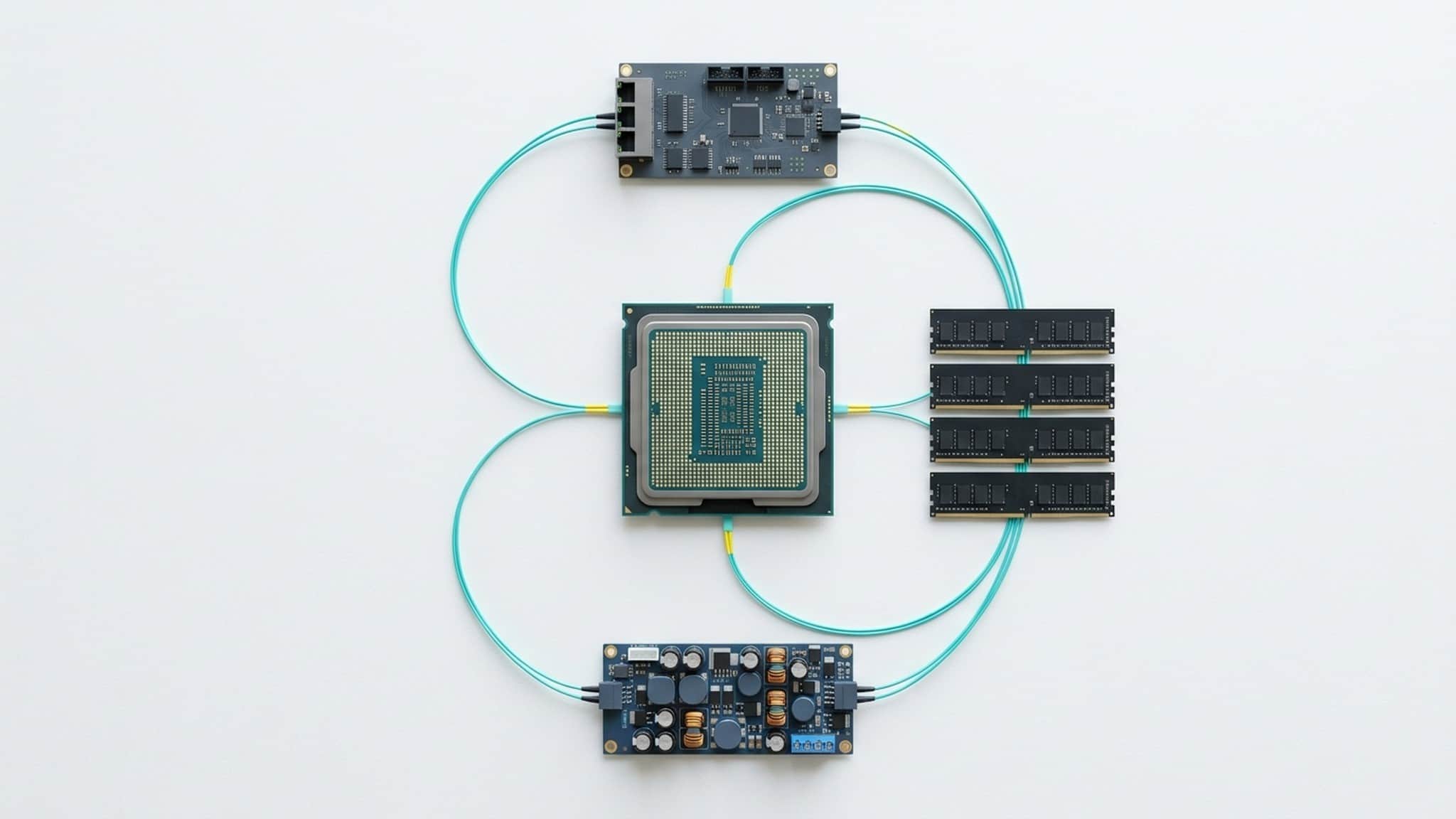
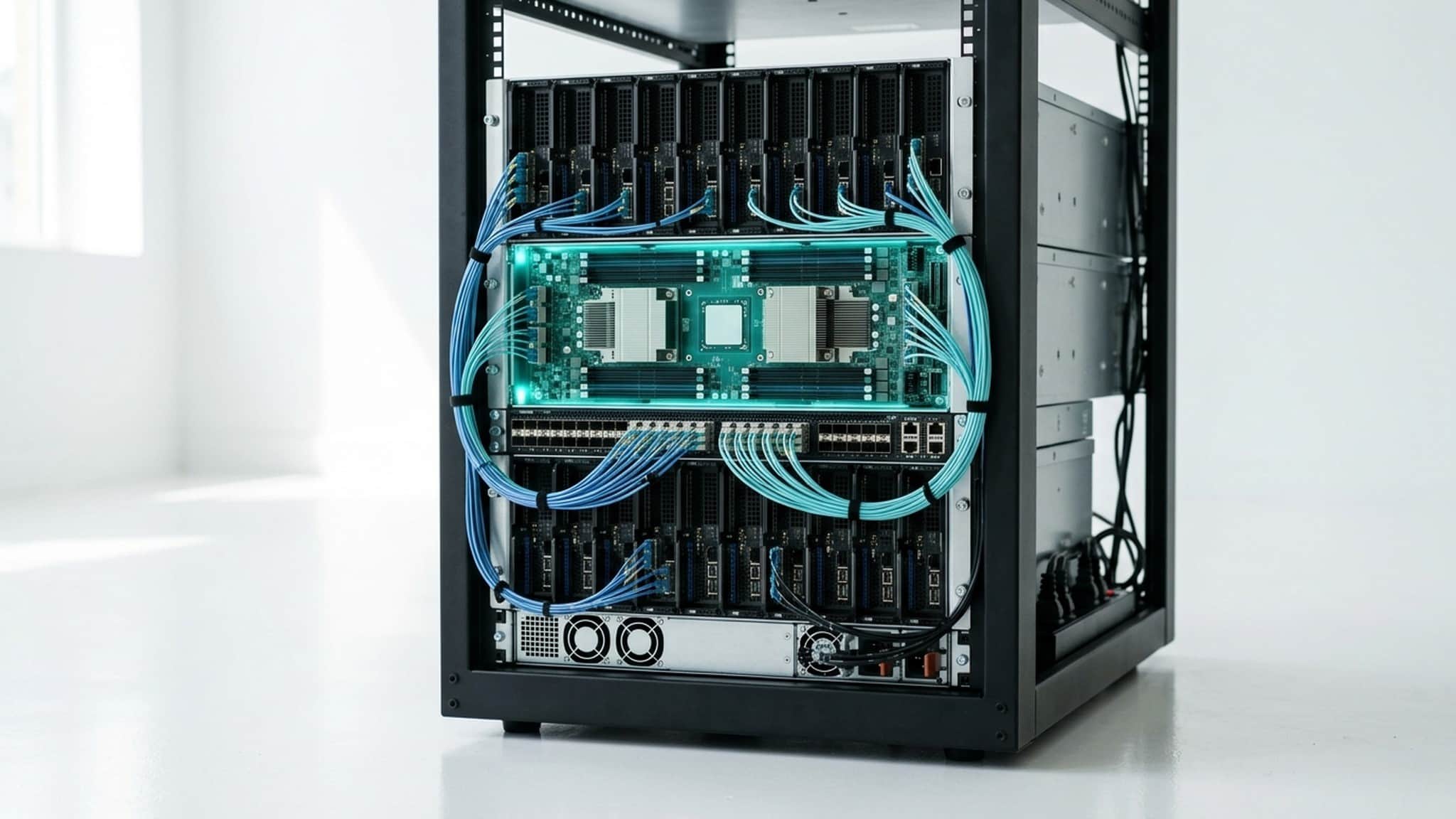
AI Sustainability Just Became Enforceable in Florida
Florida signed SB 484 this week, forcing AI data centers to cover their own connection, transmission, and generation costs — and the same week brought Pennsylvania's matching tariff, Microsoft's retreat from hourly clean-energy matching, Anthropic's takeover of a litigated Memphis facility, and PJM's grid warning. The era of treating AI compute as a free externality on ratepayers, watersheds, and local air quality is closing, and the closing is being negotiated state by state. For builders, vendor portability and per-call cost discipline stop being procurement preferences and start being risk-management practices.

AI Sustainability This Week: 5 Stories Repricing Compute
Five stories from May 4–11, 2026 — Florida SB 484 signed, Pennsylvania PUC model tariff, Anthropic's Memphis compute deal alongside the Clean Air Act lawsuit at the same site, PJM's 'years, not decades' grid warning, and Microsoft reconsidering 100/100/0 — that together repriced the cost of AI compute for ratepayers, utilities, and operators.

Field Sales AI Tools Beat Q1 Forecasts at Three Retailers
Loblaw's ChatGPT grocery integration is running ahead of plan, Chipotle credited AI search placement for its second-highest sales day on record, and Nasdaq-listed Yimutian projected over $10 million from a new produce-trading agent — three operators, three categories, one seven-day window. The same week, Microsoft Agent 365 went generally available and ServiceNow extended AI Control Tower into the same surface, giving enterprise IT a paved path to push customer-facing AI sellers into production. AI for in-person sales now has its first quarter of dated, attributable numbers paired with the governance software that scales them.

Animal Care and Technology: Three AI Launches This Week
Between April 27 and May 1, 2026, three serious animal AI products shipped into real-world settings: Halter routed cattle collars through Starlink, Boehringer Ingelheim and Eko Health put a heart-murmur AI in general-practice exam rooms, and Parks Victoria open-sourced a 212-species wildlife model. The week's signal is that the bottleneck for animal AI has shifted from model accuracy to deployment surface — connectivity, point-of-care hardware, and distribution — with implications well beyond animal health.

Veterinary AI This Week: Five Animal Health Launches
Five animal health AI launches from late April to early May 2026 — including Halter's direct-to-Starlink cattle collars, Boehringer Ingelheim and Eko Health's CANINEBEAT canine heart murmur AI, and Parks Victoria's open-source 212-species wildlife recognition model.

How to Run 10+ Playwright Agents on One Logged-In Browser
A multi-agent browser automation tutorial — how to share one logged-in Chromium across any number of Playwright agents for AI agent orchestration, with bonus connections for AI browsers, OpenClaw skills, and Claude Code MCP.

Farm Bill's 90% Agriculture AI Subsidy Heads to House Floor
The House is scheduled to vote the week of April 27 on the Farm Food and National Security Act of 2026, a bill whose Section 6302 would reimburse farmers 90 percent of the cost of adopting AI and precision agriculture equipment through EQIP. The provision also directs USDA, NIST, and the FCC to co-author voluntary industry-led standards for connectivity, cybersecurity, and AI on farms. Tariffs, Nebraska's new agricultural data privacy law, and a tight floor-vote count will shape what federal money actually buys.

Food Supply Chain AI: This Week's Top Stories - AgentPMT - 2026-04-19
Five stories from 2026-04-14 to 2026-04-19 showing AI arriving across every link of the food supply chain — Bayer's in-silico herbicide, Chef Robotics' 100M production servings, USDA's $275M specialty-crop grant with a $20M automation carve-out, a Farm Bill heading to the House floor, and agentic commerce crossing into food and beverage.

Animal Health AI Hits $2B as Halter Closes $220M Round
Halter's $220 million Series E, led by Peter Thiel's Founders Fund, prices animal health AI at a $2 billion valuation — the clearest public signal yet that livestock-focused AI has moved into scaled production. The round arrived the same week as a second Singapore cultivated-meat approval, a compressed AI deployment playbook for ag lenders, and fresh evidence that the federal food recall system is still running years behind the food it is supposed to protect.

Animal Health AI's $2B Week: Halter, Duck, and a Recall Gap
Halter's $220M Series E at a $2B valuation anchored a week of animal health AI milestones — cultivated duck's second Singapore approval, a $51.6B market forecast, and a 90-day ag-lender AI playbook — while a PIRG report documented multi-year food recall delays.

Agriculture AI This Week: Four Production Launches and a £50M UK Bet
A compressed April news cycle pushed farm AI past the pilot stage — GROWMARK's cooperative agronomy agent, Polybee's physical AI drones, GEODASH spraying drones, the UK's £50M deployment scheme, and Carbon Robotics hitting $100M revenue all landed in one five-day window.

Who Gets the Most Powerful AI? Four Labs Just Gave Four Answers
In one week, Anthropic restricted its Mythos model to a security consortium, Meta launched its first proprietary model, Google released Gemma 4 under Apache 2.0, and OpenAI introduced identity-verified tiered access for GPT-5.4-Cyber. The four decisions represent four incompatible strategies for distributing frontier AI, and the infrastructure that abstracts away provider differences becomes the critical enterprise investment.

Four AI Labs Split on Model Access This Week
Five stories from the week of April 7-14, 2026, covering how Anthropic, OpenAI, Meta, and Google each chose fundamentally different AI model access strategies — from restricted security consortiums to full Apache 2.0 open source.

19 AI Laws in Two Weeks as Agent Governance Converges
Nineteen AI bills became law across U.S. states in two weeks, Microsoft released an open-source toolkit covering all ten OWASP agentic AI risks, and DARPA announced a program to formalize agent-to-agent communication. The convergence signals that governance infrastructure for AI agents is arriving from multiple directions simultaneously, with enforcement deadlines starting in mid-2026.

Five Regulations Converge on Construction AI This Summer
Five regulatory frameworks from California, Colorado, the CFPB, RICS, and OSHA converge on construction and real estate AI before July 2026, creating a fragmented compliance surface that most firms deploying these tools have no unified plan to address.

Construction AI Startup Bedrock Robotics Nabs $270M Series B
Bedrock Robotics raised $270M in Series B funding to scale autonomous excavators, targeting the first operator-less deployments on construction sites in 2026.

Construction AI Adoption Hits 37% as Worker Shortage Grows
Construction AI adoption reached 37% in 2026 as a 499,000-worker shortfall pushes firms toward autonomous equipment and building automation at production scale.

Visa, Mastercard Launch Financial Automation for AI Agents
Visa and Mastercard are deploying production payment systems for autonomous AI agents, with Visa's Trusted Agent Protocol going live through Ramp and Mastercard's Agent Pay completing its first autonomous transaction in Hong Kong through HSBC, as financial services firms face converging regulatory deadlines from Colorado, the EU, and the NAIC.

Supply Chain AI Agents Cross 3 Million Autonomous Tasks in Q1 2026
In Q1 2026, logistics companies moved AI from advisory roles to autonomous operation, with agents negotiating freight rates, accepting loads, and coordinating warehouse robots at production scale while regulators work to catch up.

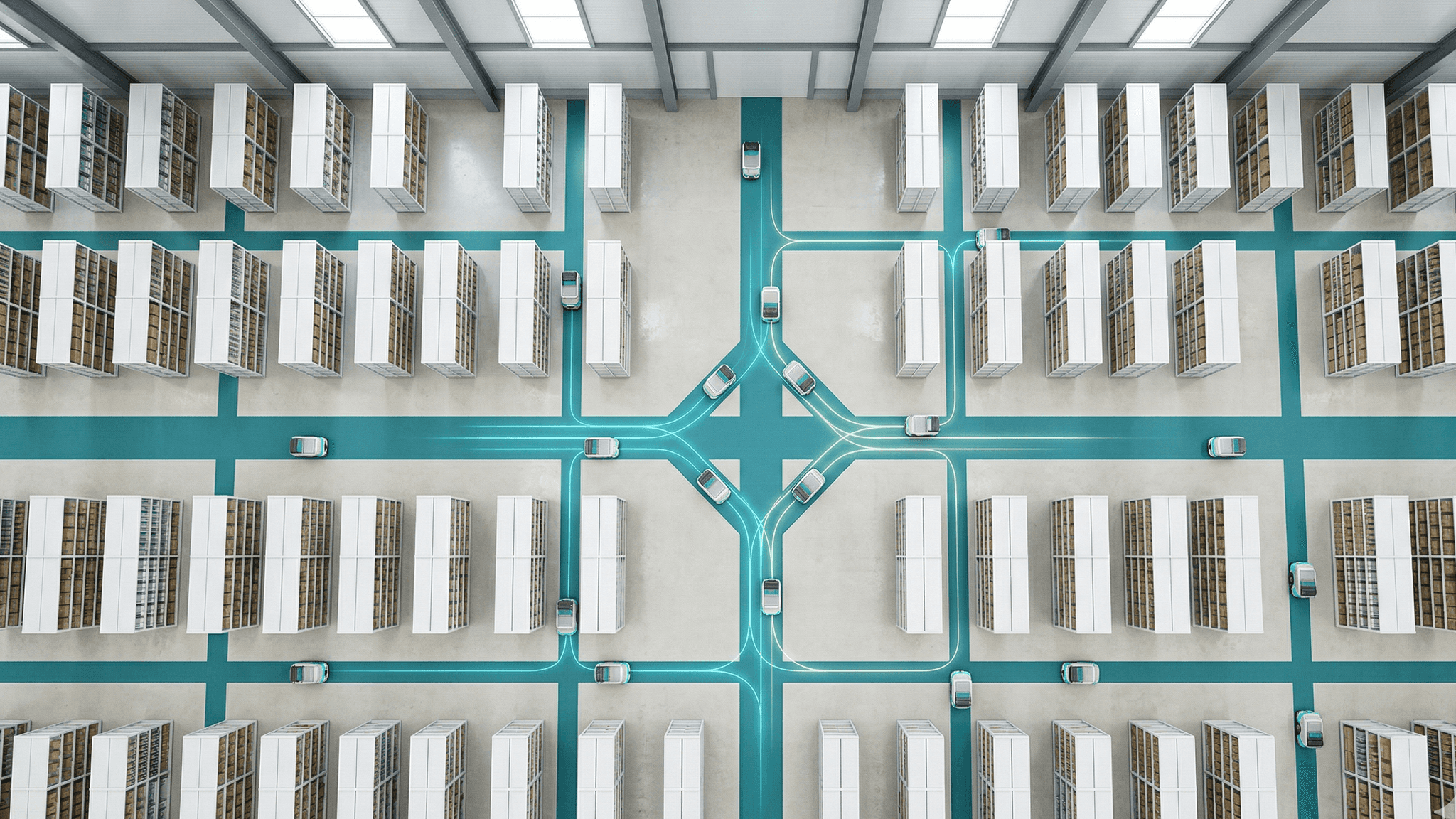
MIT's Hybrid Warehouse AI Boosts Robot Throughput 25%
MIT researchers achieved a 25% warehouse robot throughput improvement using a hybrid AI system that combines reinforcement learning with classical planning, with performance gains increasing as robot density rises.

Why AI Cybersecurity Needs Quantum-Safe Signatures Now
Every digital signature used today will break under quantum computing. A review of the Apoth3osis QSFA system shows how ML-DSA-65 and formally verified code create file attestations designed to survive the post-quantum era.

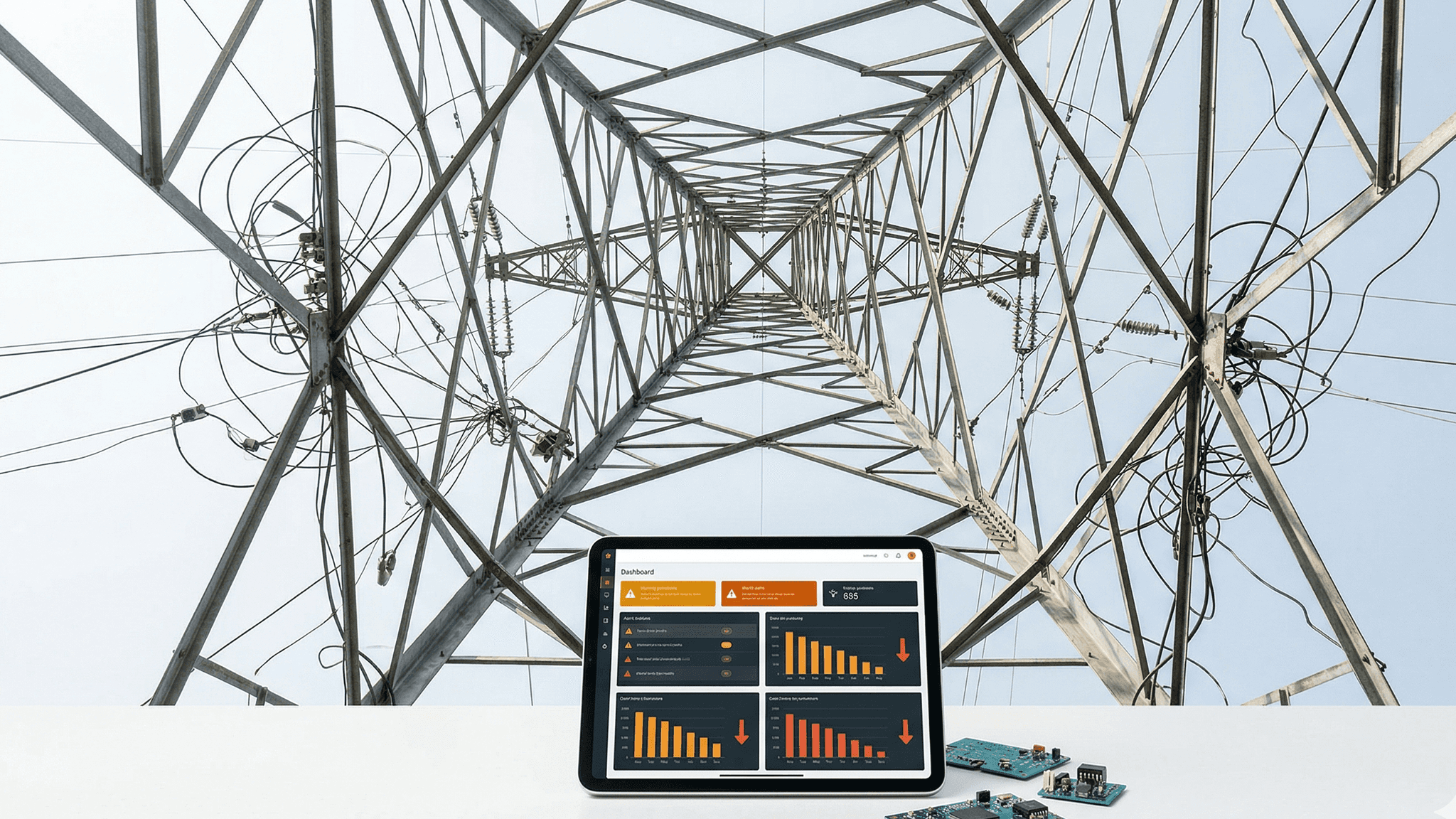
Energy AI Hit 70% Autonomy Before Anyone Wrote the Rules
The energy sector operates at 70% autonomy with a third of operations fully autonomous, but the EU AI Act classifies most grid AI as high-risk with compliance required by August 2, 2026 — and most companies cannot inventory the AI systems already running their infrastructure.

Energy AI Hits 70% Autonomy in Schneider Electric Survey
Schneider Electric's global survey of energy executives finds the sector operating at 70% autonomy, with plans to reach 80% by 2030.

Energy AI Under the EU AI Act: What Grid Operators Must Do Before August 2026
Baker Botts analysis maps how the EU AI Act classifies grid management, load forecasting, and fault detection AI as high-risk systems with concrete compliance obligations before the August 2, 2026 deadline.

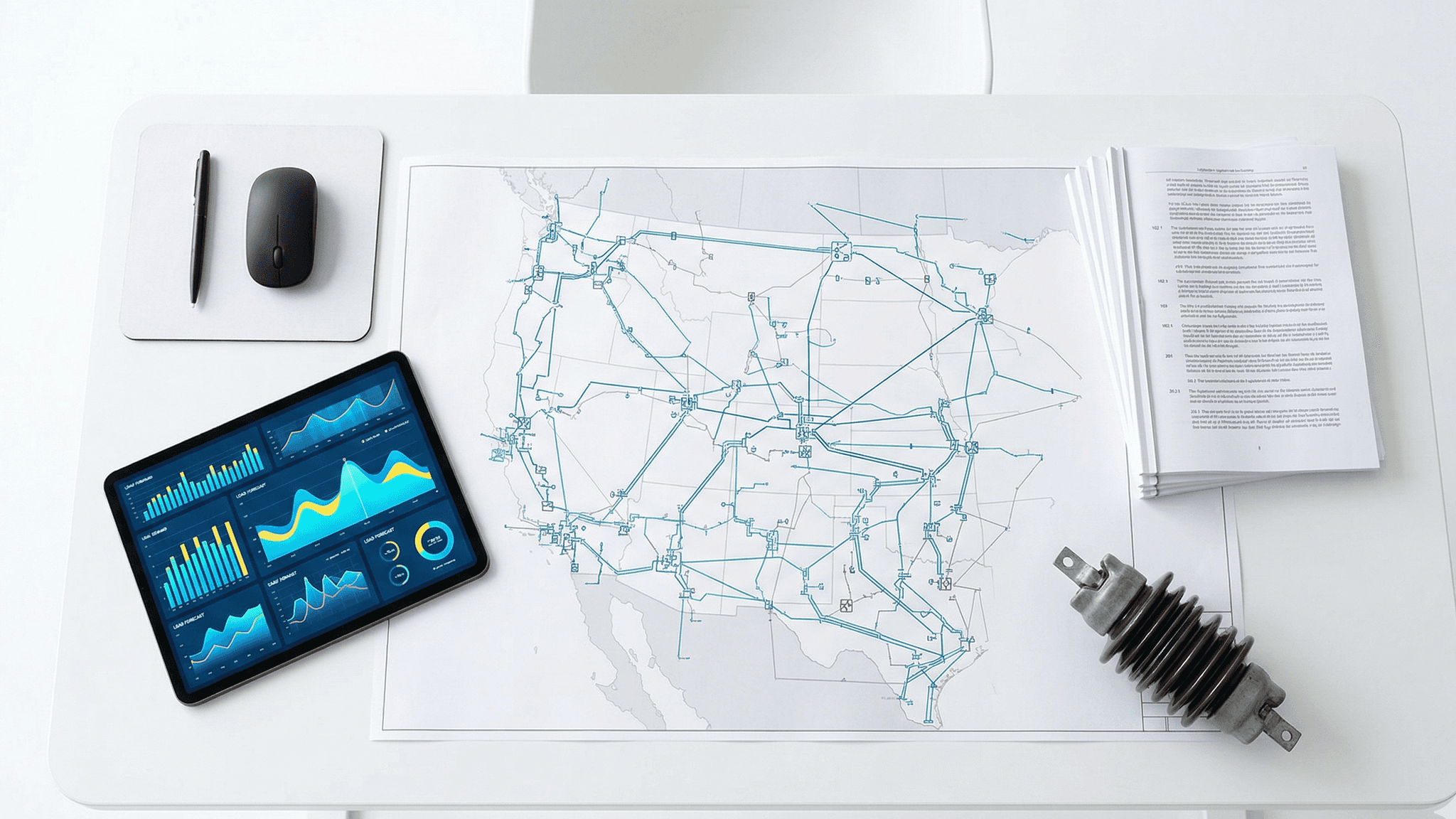
Utility Automation Plans Collide with 300+ State Bills Targeting Data Center Power Demand
MultiState tracks over 300 state bills targeting data center energy use, signaling a regulatory shift that directly affects utility automation and grid planning.

Energy AI Meets Flexible Compute: NVIDIA and Emerald AI Build Data Centers That Bend to Grid Demand
NVIDIA and Emerald AI partner with six major energy companies to build AI data centers that flex power consumption to match grid conditions, turning surplus renewable generation into compute capacity.

Utility Automation Stalls: Kyndryl Finds 70% Unprepared
Kyndryl's Readiness Report finds 70% of utility leaders feel unprepared for external risks despite aggressive energy AI investment, pointing to organizational inertia as the sector's biggest modernization obstacle.

AI DevOps: Give Your Agents Eyes on Every Codebase
GitHub Repo Browser - Read Only gives AI agents full visibility into GitHub repositories through 13 structured, read-only actions -- browsing files, commits, branches, and code -- while making it structurally impossible to modify anything.

Manufacturing AI Hits 98% With No EU Compliance Plan
Nearly every manufacturer has embedded AI into core operations, but the EU AI Act high-risk compliance deadline of August 2, 2026 requires 8 to 14 months of work and most have not started. This article maps the collision between manufacturing AI adoption speed, EU regulatory readiness, and new NDAA defense supply chain restrictions.

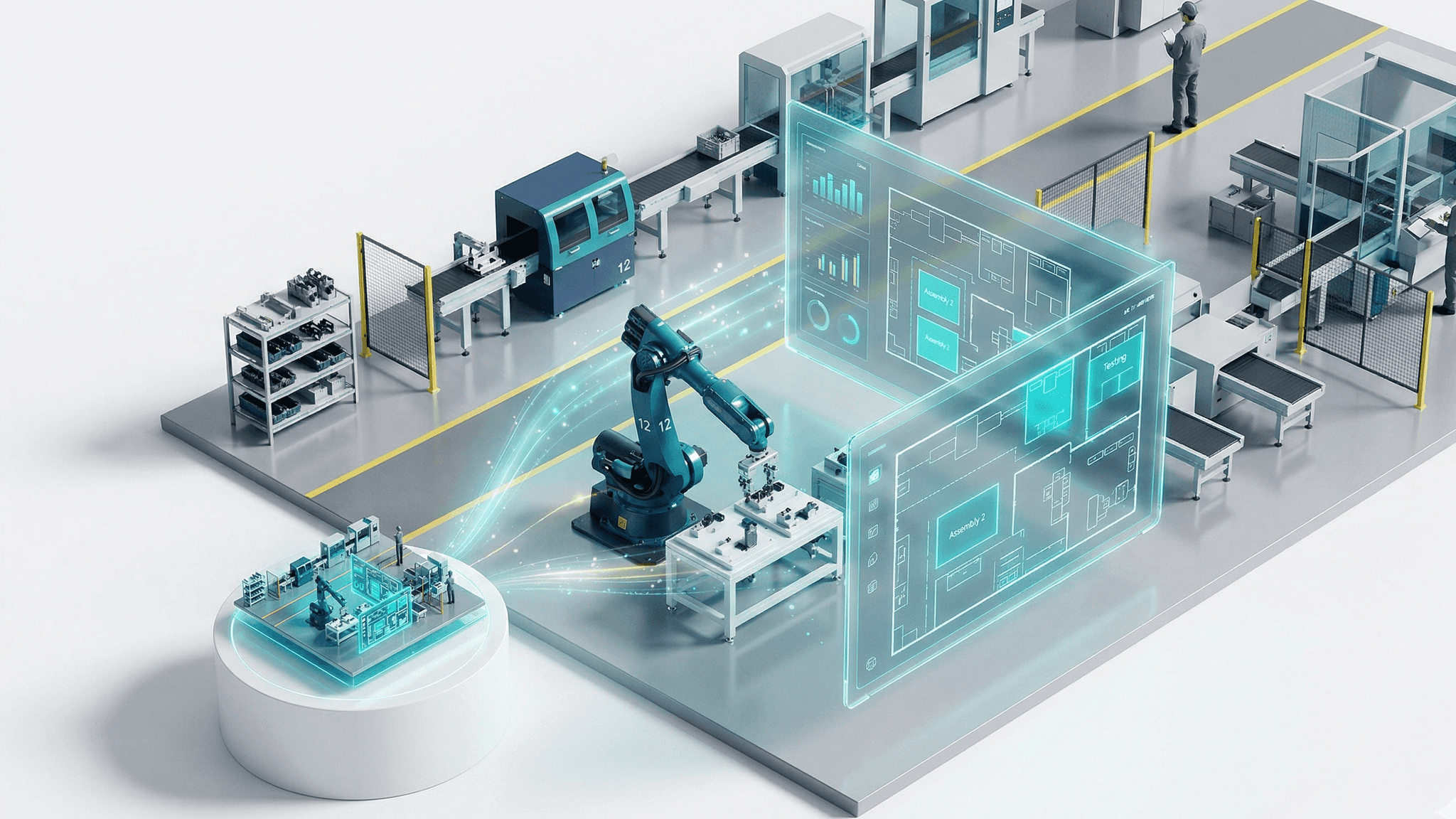
Manufacturing AI Gets an Operating System as Siemens and NVIDIA Target First AI-Driven Factory
Siemens and NVIDIA expand their partnership to build an integrated manufacturing AI operating system, targeting the Siemens Erlangen factory as the first fully AI-driven production facility with Foxconn and PepsiCo among early evaluators.

MongoDB Connector: AI Infrastructure for Database Agents

AgentPMT launches the MongoDB Connector, a 25-action tool that gives autonomous AI agents direct, authenticated access to MongoDB databases -- including queries, aggregations, vector search, index management, and bulk operations -- at 5 credits per call.

AgentPMT Workflow Creator: Build Multi-Step AI Pipelines for Free
AgentPMT launches the Workflow Creator, a free tool that lets AI agents build multi-step DAG pipelines from 170+ integrated tools -- turning single-action agents into autonomous workflow machines.

Healthcare AI Agents Ship From Three Vendors in 10 Days
Amazon, Salesforce, and Microsoft each shipped healthcare-specific AI agent platforms in a 10-day window in March 2026, delivering real operational savings for early adopters while the federal regulatory framework remains decades behind deployment speed.

Healthcare AI Agents Get a Price Tag: AWS Ships Amazon Connect Health at $99 Per Clinician
AWS launched Amazon Connect Health, a $99-per-clinician platform of five AI agents for healthcare providers, with early adopters reporting 630 hours in weekly labor savings on patient verification alone.

1,100 Government AI Use Cases Under a Four-Page Federal Plan
The White House released a four-page National AI Policy Framework proposing to preempt all state AI laws, while federal agencies already operate over 1,100 active AI use cases with thin governance — vendor self-evaluation, missed reporting deadlines, and a modernization budget Congress cut from $45 million to $8 million.

Government AI Policy: White House Framework Sets Federal Direction
The White House released a four-page government AI policy framework establishing six core objectives and proposing broad federal preemption of state AI laws.

AI Consulting Tools Forced 64% to Rewrite Entry Hiring
Professional services firms replaced junior roles with AI agents at unprecedented speed — 64% altered entry-level hiring in a single quarter — while only one in five built the governance infrastructure to manage those agents. With the EU AI Act deadline five months away, the gap between deployment and accountability is becoming the industry's defining competitive divide.

AI DevOps Agents Handle 35,000 Incidents a Month. Most IT Teams Can't Deploy Even One.
All three hyperscalers shipped production-grade AI agents for IT operations in Q1 2026, proving the technology works at scale — but only 11% of enterprises have agents in production because most lack the governance infrastructure, cross-platform audit trails, and spending controls required to let autonomous software operate safely.

$815M Flooded Into AI Creative Tools in Eight Weeks. The People Expected to Use Them Are Organizing Against It.
Between February and March 2026, AI creative tools companies raised $815 million while GDC's annual developer survey revealed that 52% of game developers now view AI as harmful to their industry — a figure that has nearly tripled in two years. The collision between massive capital deployment and accelerating workforce resistance is forcing studios to confront a governance question: can they give their teams visibility, cost controls, and override authority over the AI agents entering their production pipelines?

$326M in Construction AI — Still Cannot Staff a Jobsite
Over $326 million flowed into construction and real estate AI in Q1 2026, but a retiring workforce, a thinning junior pipeline, and incoming regulation from the Colorado AI Act and CFPB mean the industry absorbing these tools lacks the people to run them and the governance infrastructure to satisfy the regulators already writing rules.

Productivity AI Tools Hit Q1. The Lock-In Hit Harder
Microsoft, Salesforce, and Google all shipped autonomous AI agents in Q1 2026, each confined to its own ecosystem. With 90% of enterprises reporting zero measurable AI productivity gains and only 27% of systems connected enough to share data, platform lock-in may be deepening vendor dependency faster than it delivers returns.

Healthcare AI Agents Stall at 3% Despite $440 Billion in Administrative Waste
Every major tech vendor launched healthcare AI agents at HIMSS26, yet Microsoft research shows only 3 percent of health systems have deployed agents in live workflows. The governance infrastructure gap keeps the other 97 percent stuck between pilot and production.

Automated Accounting Got $175M. Governance Got Nothing.
AI agents crossed from pilot to production in accounting and financial services in Q1 2026, backed by over $175 million in dedicated funding from Basis and Accrual, plus an Intuit-Anthropic MCP partnership and the first regulated AI agent payment by Santander and Mastercard. But the governance, compliance, and auditability frameworks these agents need to operate in regulated environments are trailing behind deployment pace, with the EU AI Act high-risk deadline just five months away.

The Agent Skills Supply Chain Is Already Compromised. The Architecture Was the Problem.
The first mass supply chain attack on AI agent skill registries exposed a 13.4 percent critical vulnerability rate across ClawHub. The failure was architectural — trust by default, no identity verification, no scoped authorization. The answer was always better infrastructure, not more regulation.

40% of AI Agent Projects Will Be Canceled by 2027
Gartner predicts over 40 percent of agentic AI projects will be canceled by end of 2027. The failures share a common trait: missing infrastructure, not missing intelligence.

$285B Gone in 24 Hours. Per-Seat SaaS Is Over.
AI agents just collapsed the pricing model that built enterprise software. The companies scrambling to add credits-based pricing are admitting what builders already knew.

AI Agents Just Entered the Bloomberg Terminal
Bloomberg embedded agentic AI into its Terminal, OpenAI shipped GPT-5.4 with financial tools that doubled benchmark scores, and regulators set deadlines for this week. The infrastructure standard being set in finance applies to every business deploying agents.

AI Traffic Surged 1,200%. Shopify Built the Rails.
Shopify opened its entire commerce infrastructure to every brand on earth — including non-Shopify merchants — positioning itself as the checkout backbone for every AI agent conversation.

AI Agents Got Real Wallets. 37% of Tools Have Flaws.
AI agent payments went live across five competing architectures in Q1 2026, but 37% of agent marketplace skills have security flaws—making governance the most critical infrastructure gap in agentic commerce.

When Agents Run for Months and Spend Real Money, You Need More Than a Chatbot Budget
Agents now run for months and spend real money. Most businesses still deploy them like chatbots. The operational infrastructure gap is widening — and the window to close it is shrinking.

The $110 Billion Week That Made Model Choice Political
OpenAI closed the largest private funding round in history while the Pentagon blacklisted its top competitor. AI model provider choice now carries political, funding, and distribution risk.

Six Agent Marketplaces in 28 Days
Six competing agent marketplaces shipped in February 2026. None interoperate. The builders who bet on open distribution will outlast those locked into a single ecosystem.

The MCP Bloat Tax: Thousands of Tools, Zero Context
Standard MCP setups consume 72% of agent context windows with tool definitions before work begins. The bloat tax is real — here's what it costs and how to eliminate it.

21,000 Agents, Zero Code: Agent Building Goes Mainstream
Non-developers built 21,000 autonomous AI agents in Notion's first week. The agent-building barrier just collapsed—and the platform lock-in problem is already here.

The Integration Layer Is the New Lock-In
Four companies shipped four agent connector systems in three weeks. None interoperate. The integration layer, not the model, is the new lock-in.

$50M in Agent Payments. Three Systems. None Interoperate.
Three distinct financial architectures for AI agents shipped in February 2026 — crypto-native wallets, card networks, and platform checkouts — with $50 million in real transactions. Zero interoperability between them creates the most urgent governance crisis in the agent economy.

The Week Agent Infrastructure Went Federal

NIST launched the AI Agent Standards Initiative. Docker found 60% of enterprises run agents in production. Slack, Atlassian, Cisco, and Microsoft shipped agent infrastructure the same week. The model race is over — the infrastructure race just started.

88% Hit: The Agent Security Reckoning Has Arrived
88% of organizations report AI agent security incidents as MCP supply chain attacks move from theoretical to proven. The governance response is forming — but the crisis is already here.

The AI Productivity Paradox: 80% Can't Show Returns
A landmark study of 6,000 CEOs found zero measurable AI productivity gains at most firms — while McKinsey's 25,000 agents saved 1.5 million hours. The difference is accountability infrastructure.

$2.5B, 4% of GitHub, and the MCP Governance Gap
Claude Code crossed $2.5B in revenue. Four MCP milestones shipped in five days. Cisco calls MCP 'woefully insecure.' The governance gap is the story.

Twelve Frontier Models. 0.8 Points Apart. The Moat Moved.
In February 2026, twelve frontier AI models launched with less than a percentage point separating the top four — proving the model is a commodity and the real moat is the infrastructure layer.

The AI Checkout Wars Are Here. Consumer Trust Isn't.
Five tech giants launched AI shopping agents in three weeks. Consumer research says only 17% would let one complete a purchase — the trust gap defines who wins.

Agents Use Computers. 3.3% of Enterprises Use Agents.
Anthropic's Sonnet 4.6 scores 72.5% on real-world computer tasks while Microsoft's Copilot reaches just 15 million paid users out of 450 million subscribers — the deployment gap, not the capability gap, is the real bottleneck for enterprise AI.

$700 Billion in AI Capex and One CEO Calling It a YOLO
Five hyperscalers committed $690B to AI infrastructure in a single earnings week. Anthropic's CEO says if revenue projections slip by one year, "you go bankrupt." The middleware layer is where the smart money is actually building.
Seven Payment Rails, Two Weeks: Who Controls Agents?
Seven companies shipped production payment infrastructure for AI agents in two weeks. The financial layer of the agent economy is being built right now — and governance is the missing piece.

Stablecoin vs Card Rails for Agent Payments
When AI agents pay for tools at machine speed, the payment rail you choose determines your cost floor, your settlement window, and your dispute playbook. Here is the head-to-head breakdown.

Designing Agent Budgets On-Chain
Smart contracts can enforce agent spending limits with cryptographic certainty. Here is how allowance patterns, time-locked budgets, and delegation mechanisms give you guarantees that off-chain systems cannot.

Stop Grading Your Agents Like a Homework Assignment
Accuracy-only evaluation is the most dangerous metric in your agent stack. A multi-dimensional eval framework covering cost, safety, reliability, speed, and correctness is essential to catch regressions before they reach production. This article covers how to build an eval harness, design test datasets including a "bad days corpus," assert on invariants rather than exact outputs, and establish the organizational practices that make evaluation stick.

x402Direct: Micropayments Agents Can Use
AgentPMT's x402Direct turns the x402 protocol into an operational payment layer for autonomous agents -- here is how to configure budgets, handle credits, and build integration patterns that survive production.

Your Agent Logs Are a Diary. You Need a Flight Recorder.
Most teams debug agent workflows by reading prompt dumps -- that is archaeology, not observability. This article explains how to instrument agent runs as distributed traces using OpenTelemetry and W3C Trace Context, enabling queryable joins from prompt decisions to tool calls to side effects to cost, without leaking sensitive data.

MicroSaaS: When Agents Replace Seats
SaaS was built for humans with seats. Agents don't sit down. The business model is fragmenting — and the companies that see it coming will own the next distribution layer.

Dynamic MCP Servers: Install Once, Run Everywhere
Static MCP configurations don't scale. Dynamic MCP servers solve the N-agents-times-M-tools problem by centralizing discovery, routing, and policy in a single endpoint.

MCP Servers Waste 96% of Agent Context on Tool Definitions
A quantitative study measuring context window consumption in standard MCP configurations reveals that 46,568 tokens are consumed by tool schemas before an agent processes a single user message — and a fundamentally different architecture eliminates the problem entirely.

Budget AI Agents Like Cloud, Not Like Headcount
FinOps practices transfer to agent programs -- but the primitives are different. Here is the three-layer budget model that makes agent spend visible, predictable, and safe.

Token Spend vs Tool Spend: Where Agent Budgets Actually Go
Your team is optimizing the wrong line item. Token costs are visible, predictable, and usually small. Tool costs are where agent budgets quietly bleed out.

MCP for Busy Engineers: Adopt It Safely
The Model Context Protocol is becoming the standard way agents connect to tools -- here is the mental model, the architecture, and the adoption path that keeps you out of trouble.

From Tools to Workflows: The Composition Layer
Having ten great MCP tools does not give you a workflow. The engineering between "tools that work" and "workflows that ship" is where most teams stall -- and where the actual product lives.

When Your MCP Tools Become the Threat Vector
MCP servers are installable dependencies, and they carry every supply chain risk that npm and PyPI taught us the hard way. Here's what's already going wrong.

MCP Tool Packaging: From Script to Agent Product
The gap between a working script and a tool an agent can reliably use is wider than most developers expect -- and closing it is mostly an exercise in removing ambiguity.

How Agent Marketplaces Make Money
Platform economics change when the buyer is software. Here's how agent tool marketplaces generate revenue through take rates, credits, verification fees, and data products -- and why old marketplace playbooks only half apply.

What Xcode MCP Support Signals for Tooling
Every major IDE now speaks MCP natively. When the tool developers use eight hours a day becomes an agent execution surface, the market for MCP tools changes shape entirely.

Internal MCP Servers: Agent Access Without Data Exposure
How to architect internal MCP servers that connect agents to production databases, CRMs, and HR systems while keeping classified data inside the boundary where it belongs.

Building an Internal Agent Services Catalog
Your agents can only use what they can find -- and right now, most enterprises have no reliable way for agents to find anything.

HTTP 402 Is Back: Building Pay-Per-Call APIs for Agents
The HTTP status code reserved since 1997 finally has a job. Here is how x402 turns a 30-year placeholder into the payment layer for autonomous agents -- and what it means for every API that wants to get paid at machine speed.

Micropayment Pricing for Agent Tools
Sub-dollar agent tool payments break conventional pricing logic. The unit you charge shapes agent behavior more than the number on the price tag -- and three bundling patterns make micro-usage viable without losing money on every call.

Agent Payments Without Chargebacks
Stablecoin payments settle in 200 milliseconds with no reversal mechanism. Credit-based refund systems, smart contract escrow, and proof-of-delivery primitives are replacing the chargeback safety net -- and they work better for agent commerce than card networks ever did.

Government and Enterprise MCP Adoption
How regulated organizations are reconciling MCP's install-once simplicity with FedRAMP controls, EU AI Act obligations, and enterprise change management that was never designed for autonomous systems.

Agent Wallets: Making Crypto Invisible
Non-custodial wallets are the right security model for agent payments, but seed phrases and gas management are killing adoption. Here's how embedded wallets, MPC, and account abstraction make the crypto invisible.

Twenty-Four Days Until Washington Decides How Your AI Agents Can Operate
The Commerce Department's March 11 report on state AI laws, NIST's March 9 comment deadline on agent security, and Anthropic's $20M political bet are converging into the most consequential regulatory month for AI agents since the technology went mainstream.

Agentic GDP Hit $470M. Transactions Fell 92%.
Blockchain agent infrastructure shipped fast in early 2026. On-chain identities, wallets, and commerce protocols are live. But x402 transactions cratered 92% from December — proving wallets without governance don't produce sustained commerce.

Twenty Thousand Agents at One Bank: The Enterprise Deployments That Actually Worked
Enterprise AI agents are delivering measurable ROI at Goldman Sachs, BNY Mellon, and ServiceNow — but 79% of organizations lack the infrastructure to replicate those results.

Designing Deterministic Tools for Non-Deterministic Agents
The most expensive assumption in agent engineering is that the model will be careful. Here is why tool design -- not prompt engineering -- is the primary reliability lever for agent systems.

The Agent Observability Crisis in the Fortune 500
80% of Fortune 500 companies now run active AI agents, but only 25% of AI initiatives deliver on promised ROI. The gap is an observability crisis — and it's the most expensive blind spot in enterprise technology.

Agent Workflows Are Distributed Systems
Most agent failures are not intelligence failures. They are systems failures. Here is the SRE playbook for making agent workflows production-grade.

The CFO's Guide to Stablecoin Agent Rails
Your agents are about to spend money on your behalf. The payment infrastructure you are currently using was not designed for this. Stablecoins are the settlement layer that makes autonomous agent economics feasible.

Two Agents Are a Distributed System
The moment you add a second agent, every distributed computing problem comes rushing back. This article covers agent-to-agent contracts, coordination patterns (pipeline, fan-out/fan-in, blackboard), shared state pitfalls, budget allocation across agent pools, and how to prevent work duplication in multi-agent systems.

MCP Gateways: The Future of AI Connected Tools
An exploration of MCP gateways—the critical infrastructure layer for scaling AI agent tool access—covering dynamic configuration, enterprise requirements, and the marketplace model.

Agent Incident Response Before 2 AM
A practical guide to building incident response runbooks for AI agent systems, covering kill switches with tiered freeze scopes, pre-designed containment procedures, postmortem-to-guardrail pipelines, and the unique challenges of containing systems that actively reason around your defenses.

Cost Attribution for Agent Work: Every Dollar Gets a Name
How to attribute every dollar of agent spend to a specific workflow, run, and tool call -- and why attribution is the hardest unsolved operations problem in agentic AI.

From Assistant to Workforce: Operating an Agent Fleet
How to run many agents in production without losing your mind, your budget, or your weekends. Ownership models, lifecycle management, observability, incident response, and the eval harness that stops silent drift.

The Payment Rails for AI Agents Are Being Built Right Now
The x402 protocol has processed $600 million in machine-to-machine transactions. Next week, Google, Coinbase, and SKALE back a $50K hackathon to build on it. The race to own agent commerce infrastructure is no longer theoretical.

Start automating your workflows today.
Create custom workflows for your business, free to start.

No credit card required.