Tool

list_filesget_fileget_note
+2 more actions
Uses: Turn Meeting Recordings Into CRM Notes And Follow-up Tasks, Draft Follow-up Emails From A Call Transcript, Summarize Interviews And Save Notes To A Shared Doc
Oil & gas, renewables, electric/gas/water utilities, mining
The energy sector manages some of the most capital-intensive and safety-critical infrastructure in the world. AI agents are now embedded across power generation, grid management, energy trading, and field operations — reducing downtime, optimizing output, and accelerating the transition to distributed energy resources.
Unplanned downtime on a single gas turbine can cost $500,000 per day. AI agents ingest vibration, thermal, and acoustic sensor data from turbines, transformers, and pipeline infrastructure to predict failures before they occur. GE Vernova's predictive maintenance platform monitors over 7,000 gas turbines globally, identifying degradation patterns weeks before manual inspection would catch them.
Grid operators balance supply and demand across millions of endpoints in real time. AI agents forecast demand with 15-minute granularity, optimize dispatch across generation sources, and manage voltage regulation at the distribution level. Utilidata deploys edge AI chips on transformers that make real-time grid balancing decisions locally, reducing the need for central coordination.
Power markets move fast, and margins are thin. AI agents handle price forecasting, position management, and regulatory compliance across wholesale electricity, natural gas, and renewable energy credit markets. Trading desks at firms like Shell and Engie use AI agents to optimize bidding strategies across day-ahead and real-time markets, capturing value from price volatility that manual traders cannot react to quickly enough.
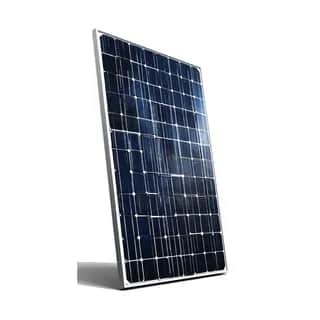
The growth of distributed energy resources — rooftop solar, battery storage, EV chargers — creates coordination challenges that only automation can solve at scale. AI agents manage virtual power plants, optimize battery charge/discharge cycles, and forecast solar and wind generation using weather data. Tesla's Autobidder platform uses AI to dispatch utility-scale battery storage into wholesale markets, maximizing revenue while maintaining grid stability.
Utility field crews cover vast service territories. AI agents optimize routing, prioritize work orders by risk and impact, and generate pre-visit intelligence packages from GIS, SCADA, and customer data. This reduces truck rolls, improves first-time fix rates, and keeps crews focused on the highest-priority work.
The energy transition demands operational precision that manual processes cannot deliver. AI agents are the enabling layer — managing grid complexity, optimizing asset performance, and coordinating distributed resources at the speed the modern energy system requires.
Plaud is now live on the AgentPMT marketplace as a connector that gives agents access to your voice recordings, AI notes, and speaker-attributed transcripts. It already powers running workflows that turn recorded conversations into CRM notes, follow-up emails, tracked action items, and Slack recaps.
AgentPMT Audit Logs is now live on the marketplace: a read-only connector that gives your agents a searchable memory of everything they have done, past chat sessions and their tool calls, filtered tool-call history, and finished or scheduled workflow runs, so you can answer what your agents did, trace why a run failed, and keep an auditable record on demand.
Agent Context Manager is now live on the AgentPMT marketplace: a connector that stores your agents' brand guidelines, SOPs, product facts, and policies as versioned, reusable Agent Context documents so every agent and workflow works from one always-current source instead of drifting copies.

Speech to Text With Speakers, built by Apoth3osis, is now live on AgentPMT, a managed connector that turns any recording into accurate text, SRT/VTT captions, or timestamped JSON with speaker diarization across 15-, 30-, and 60-minute tiers. Agents call it through the dynamic MCP server and pay only when a transcription succeeds.
AgentPMT now offers the Lean Proof To Code Translator from Apoth3osis, a managed connector that compiles exportable Lean proofs into auditable C, Rust, or Wasm with a certificate, build logs, and a verification bundle. Agents generate and re-verify reproducible, audit-ready artifacts pay-per-use through AgentPMT's dynamic MCP server.
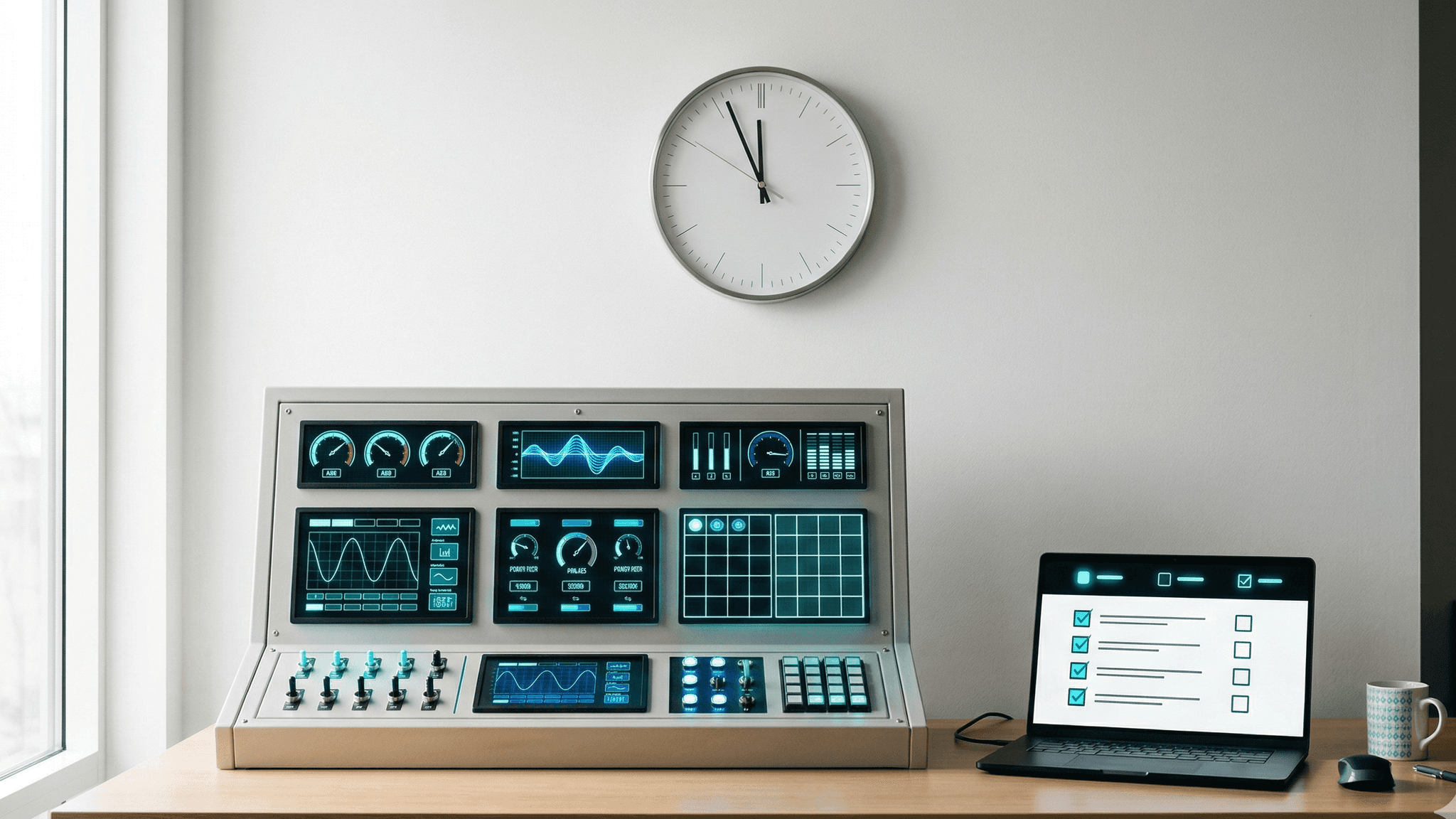
The energy sector operates at 70% autonomy with a third of operations fully autonomous, but the EU AI Act classifies most grid AI as high-risk with compliance required by August 2, 2026 — and most companies cannot inventory the AI systems already running their infrastructure.
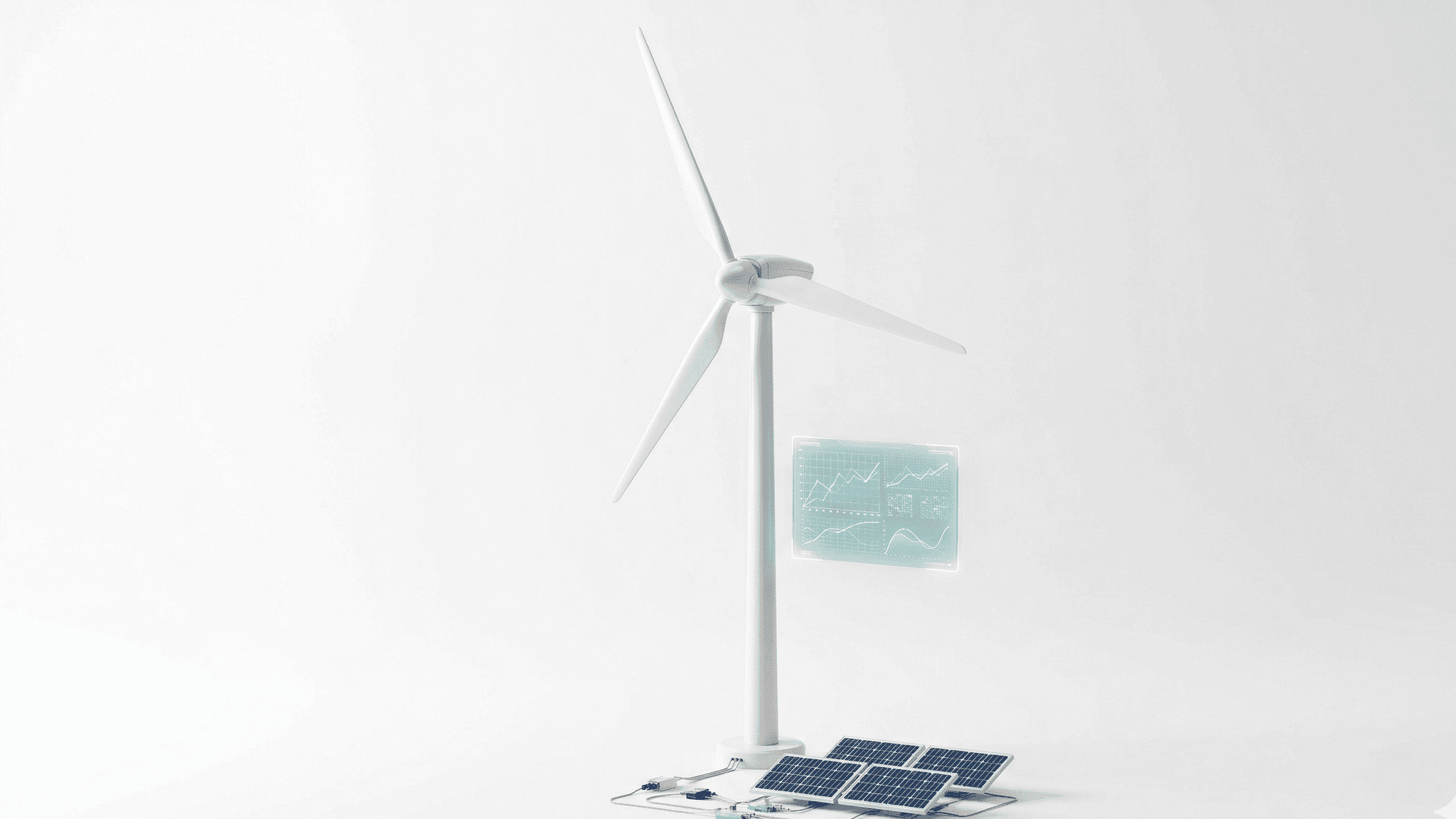
Schneider Electric's global survey of energy executives finds the sector operating at 70% autonomy, with plans to reach 80% by 2030.

Baker Botts analysis maps how the EU AI Act classifies grid management, load forecasting, and fault detection AI as high-risk systems with concrete compliance obligations before the August 2, 2026 deadline.
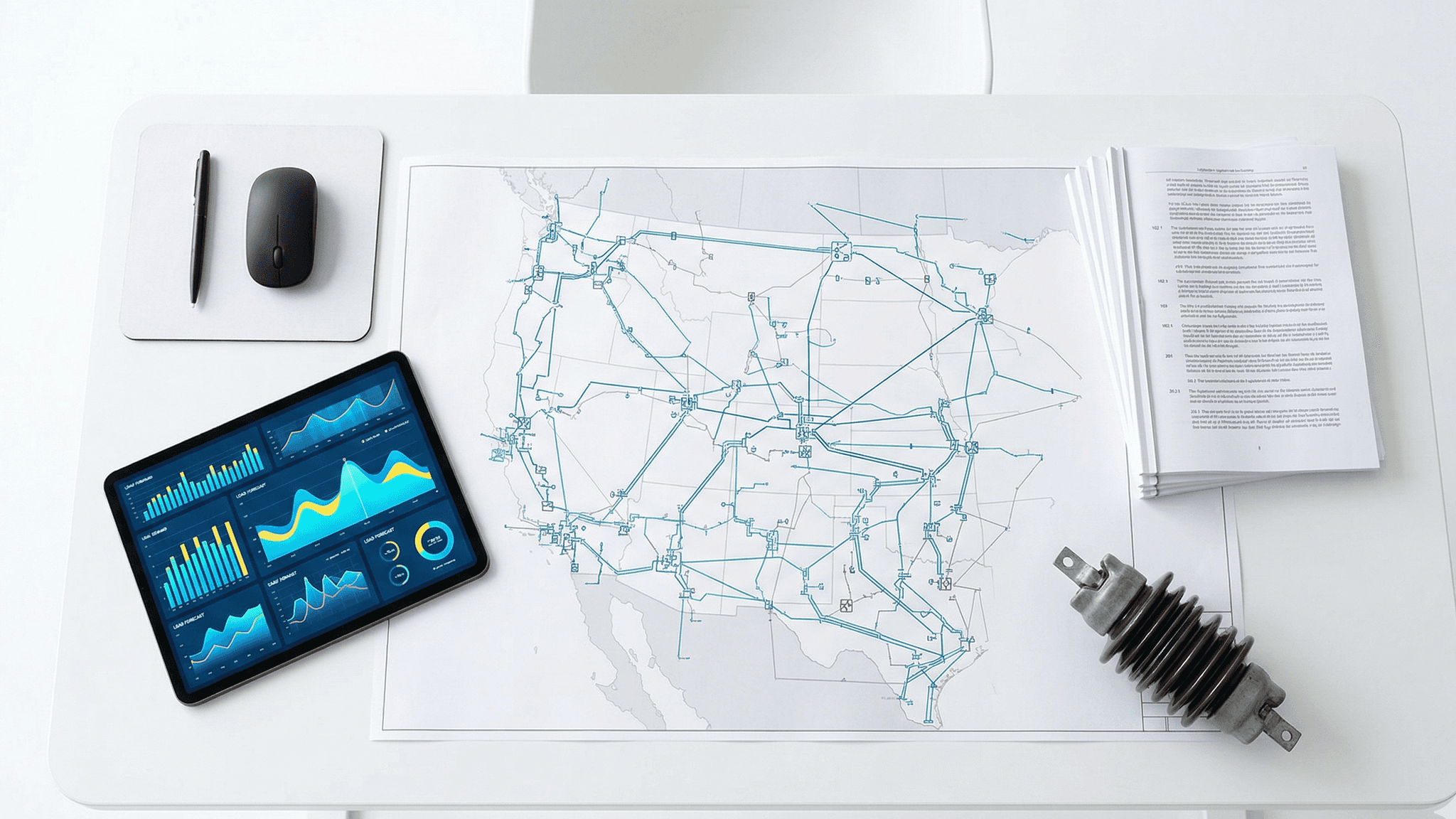
MultiState tracks over 300 state bills targeting data center energy use, signaling a regulatory shift that directly affects utility automation and grid planning.
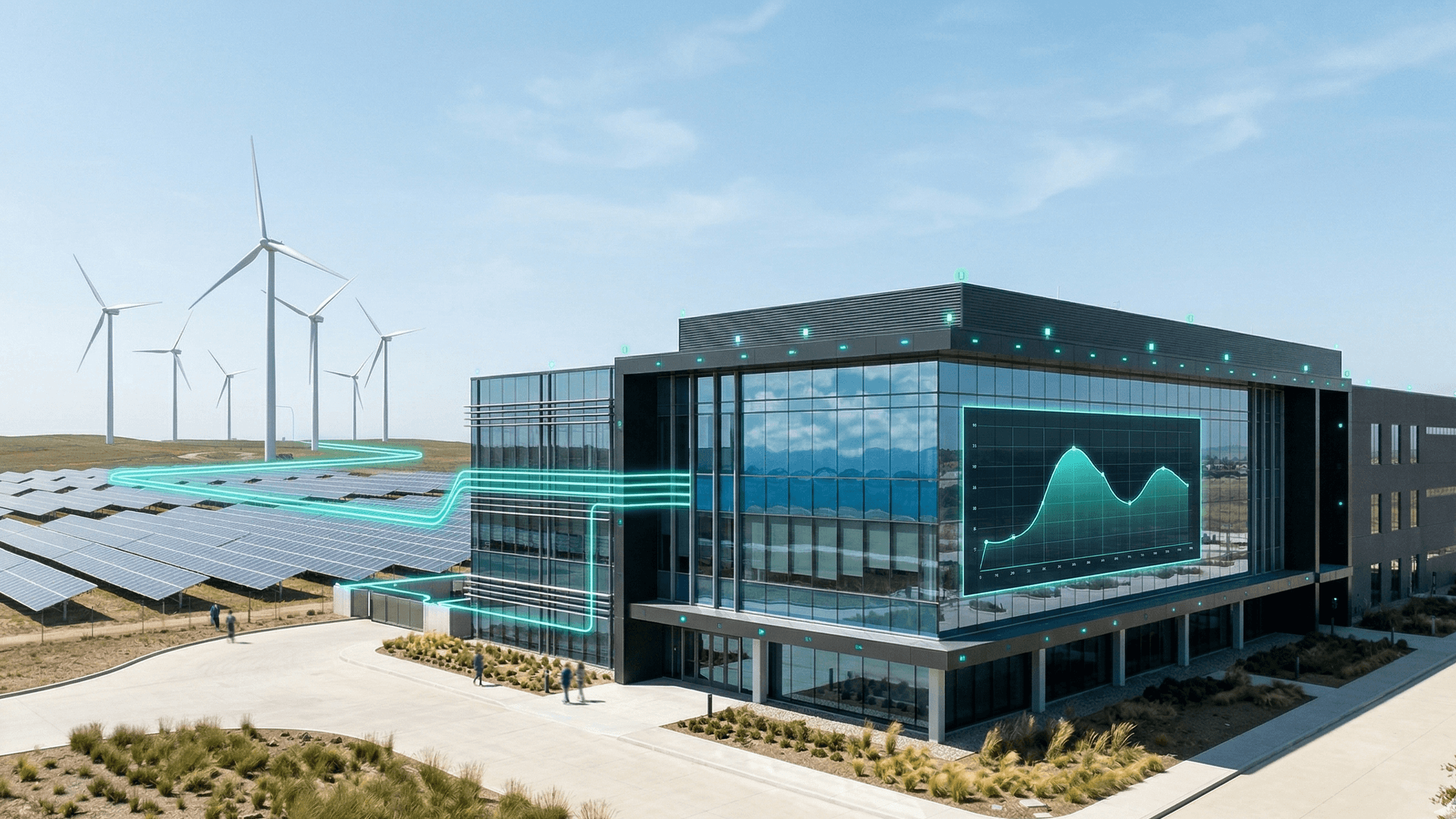
NVIDIA and Emerald AI partner with six major energy companies to build AI data centers that flex power consumption to match grid conditions, turning surplus renewable generation into compute capacity.
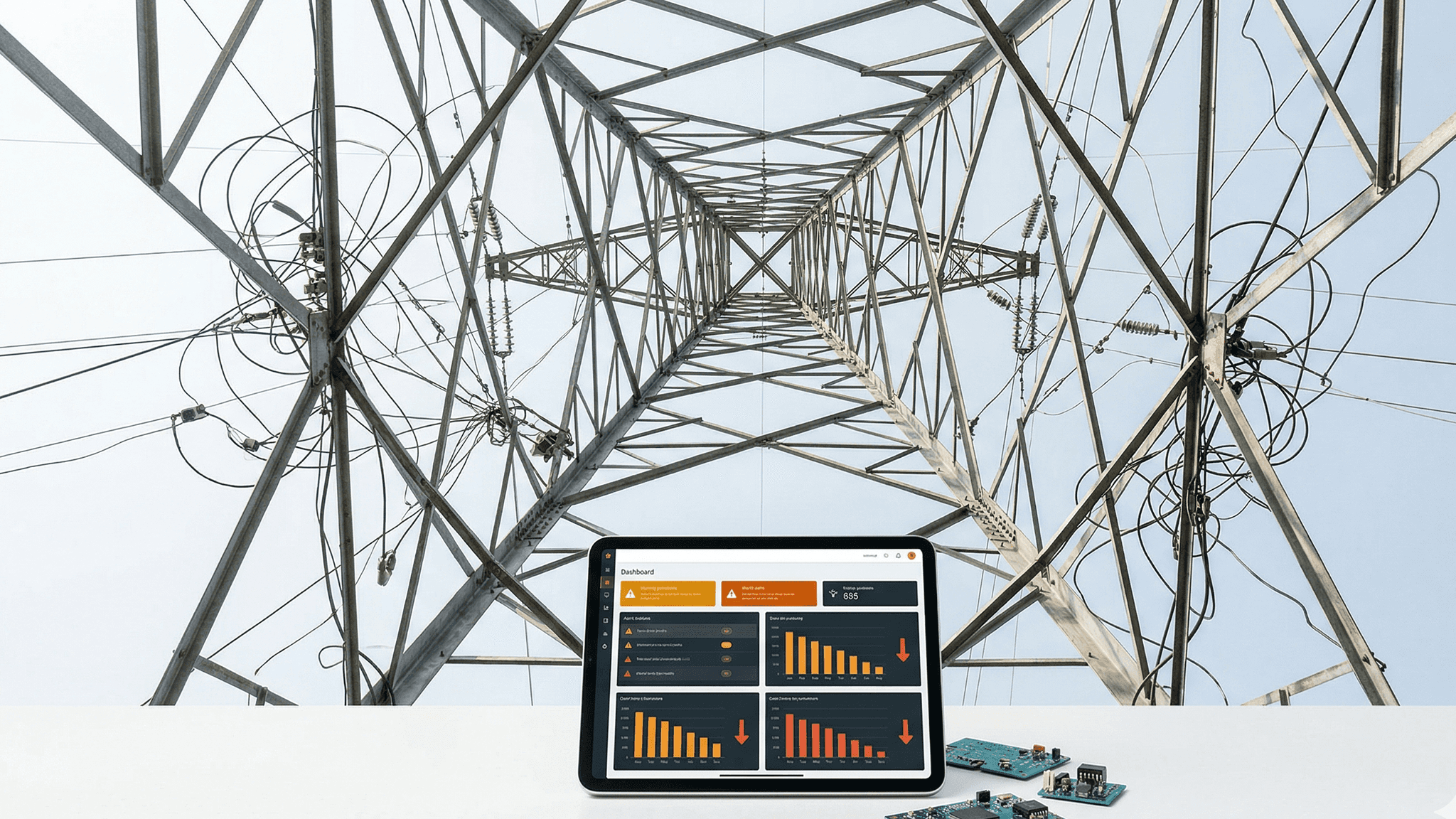
Kyndryl's Readiness Report finds 70% of utility leaders feel unprepared for external risks despite aggressive energy AI investment, pointing to organizational inertia as the sector's biggest modernization obstacle.
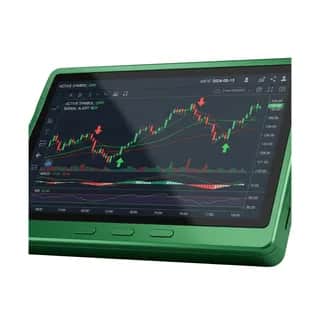
AgentPMT announces Trading Signal Analysis -- a multi-indicator technical analysis tool for stocks and crypto that delivers structured signal detection, strategy backtesting, and downloadable performance charts at 6 credits per call.
AgentPMT adds Quantum-Safe File Attestation to its marketplace, giving AI agents the ability to sign and verify files using ML-DSA-65 post-quantum cryptography through a hardware security module.