In-person sales — field reps, retail associates, door-to-door teams, trade show staff — depend on face-to-face relationships. But the operational machinery behind those relationships determines whether reps spend their time selling or doing admin work. AI agents now handle the preparation, follow-up, and intelligence gathering that make every in-person interaction more productive.
Lead Scoring & Territory Planning
AI agents analyze CRM data, firmographic signals, purchase history, and engagement patterns to prioritize which prospects deserve an in-person visit. Gong, Clari, and Salesforce Einstein score leads based on propensity to buy, deal velocity, and competitive signals — ensuring field reps spend their windshield time driving to the highest-value meetings. Territory planning agents optimize rep assignments based on account density, revenue potential, and travel efficiency.
Pre-Visit Intelligence & Preparation
Walking into a meeting unprepared wastes everyone's time. AI agents generate pre-visit briefings by pulling recent account activity, support tickets, product usage data, competitor mentions, and news about the prospect's company. Sales reps receive a concise dossier before each meeting that highlights talking points, risk factors, and upsell opportunities — preparation that would otherwise take 30–45 minutes of manual research per appointment.
Route Optimization & Schedule Management
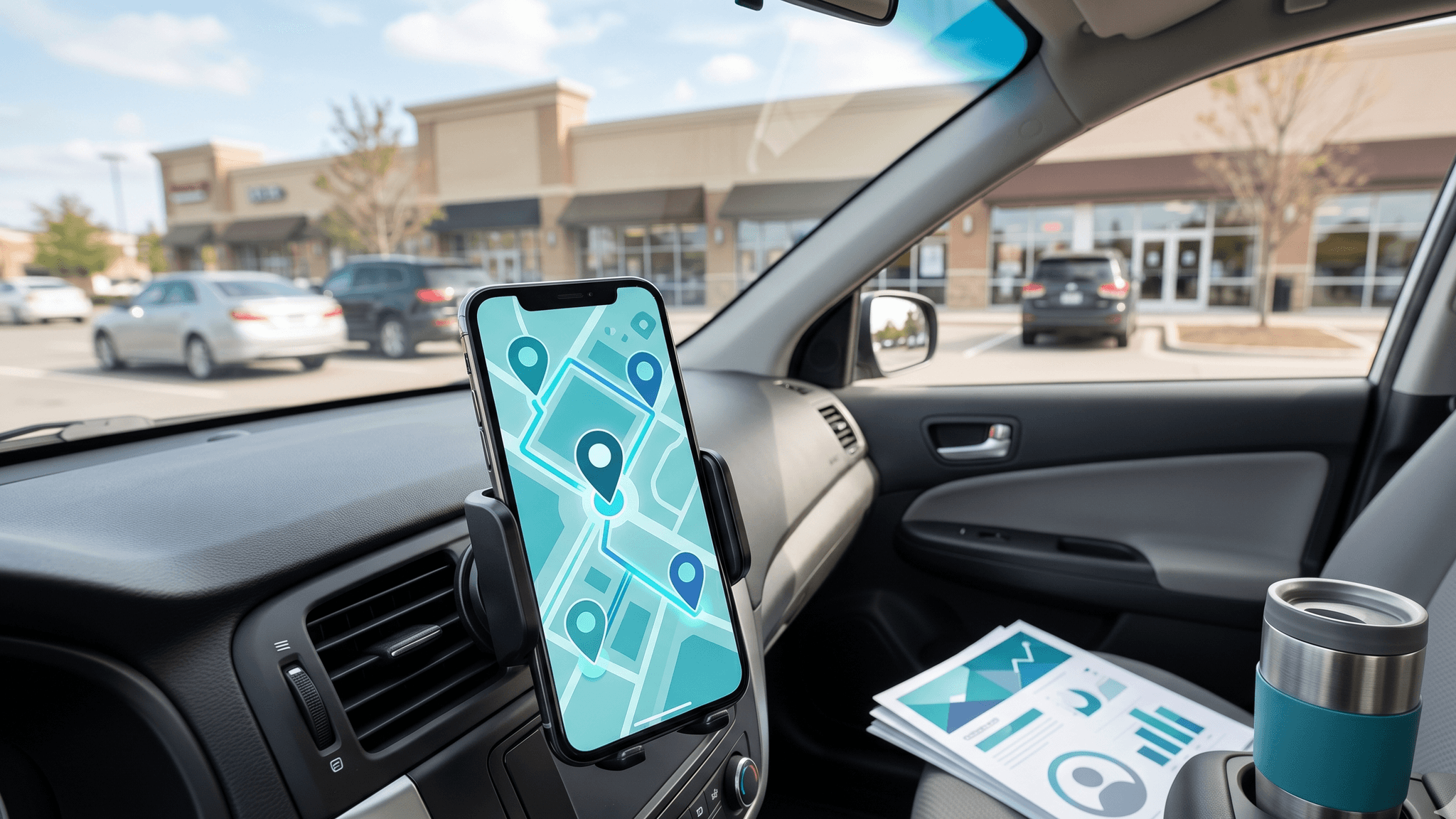
Field sales reps cover territories spanning hundreds of square miles. AI routing agents from Badger Maps, Map My Customers, and Maptive optimize daily routes to minimize drive time and maximize face-to-face meetings. These agents account for appointment windows, traffic patterns, and priority weighting — fitting 2–3 additional meetings per week into the same working hours.
CRM Automation & Activity Logging
Manual CRM entry is the bane of every sales rep's existence, and incomplete data undermines forecasting for the entire organization. AI agents automatically log meeting notes from voice recordings, update opportunity stages, create follow-up tasks, and attach relevant documents to account records. Reps using voice-to-CRM AI report 95%+ activity capture compared to 30–40% with manual logging.
Real-Time Coaching & Objection Handling
During sales conversations, AI agents provide real-time guidance through earpiece coaching or post-call analysis. They detect competitor mentions, pricing objections, and buying signals, surfacing relevant talk tracks and case studies. Gong and Chorus analyze thousands of recorded sales conversations to identify the patterns that correlate with closed deals — coaching reps to replicate what top performers do naturally.
What This Means for Sales Organizations
In-person sales will always be relationship-driven. AI agents do not replace the handshake — they ensure that every handshake happens with the right prospect, at the right time, with the right preparation, and with flawless follow-up. The sales teams deploying AI agents across their field operations are closing more deals with fewer wasted miles.