Tool
list_filesget_fileget_note
+2 more actions
Uses: Turn Meeting Recordings Into CRM Notes And Follow-up Tasks, Draft Follow-up Emails From A Call Transcript, Summarize Interviews And Save Notes To A Shared Doc
K-12, higher education, vocational training, edtech, corporate training, tutoring
Education serves more learners across more modalities than at any point in history — K-12 schools, universities, corporate training, and online learning platforms all face the same core challenge: personalizing instruction and streamlining operations at scale. AI agents are now addressing both sides of that equation.
One-size-fits-all instruction leaves struggling students behind and bores advanced learners. AI tutoring agents from Khan Academy (Khanmigo), Carnegie Learning, and DreamBox adapt in real time — adjusting problem difficulty, providing targeted hints, and selecting instructional content based on demonstrated mastery. Khan Academy's Khanmigo, powered by GPT-4, serves as a personal tutor that guides students through problem-solving with Socratic questioning rather than giving answers directly.
Grading consumes 20–40% of teacher time. AI agents now grade essays, short-answer responses, coding assignments, and mathematical proofs with accuracy that matches human raters. Gradescope processes millions of assessments per semester across 1,500+ institutions, using AI to group similar responses, detect rubric patterns, and ensure consistent scoring. For coding courses, automated testing agents evaluate student submissions against test suites and provide detailed feedback within seconds.
Universities deploy AI agents across the enrollment funnel — predicting yield, personalizing recruitment communications, and identifying at-risk students. Georgia State University's AI advising system reduced summer melt by 22% and eliminated achievement gaps across demographic groups by proactively nudging students toward registration deadlines, financial aid completion, and course selection that keeps them on track to graduate.
AI agents assist instructional designers in creating course materials, learning objectives, assessment items, and rubrics. Platforms like Coursera and edX use AI to generate subtitles, translate content, and recommend supplemental materials. Corporate training platforms use AI to synthesize policy documents and technical manuals into microlearning modules tailored to specific roles.
School districts and universities run on paperwork — scheduling, compliance reporting, budget management, and parent communication. AI agents automate class scheduling across complex constraint sets, generate compliance reports for state and federal requirements, and handle routine parent and student inquiries through conversational interfaces.
AI agents are not replacing teachers — they are giving teachers leverage. A single instructor can now provide personalized feedback to 200 students, identify struggling learners before they fall behind, and spend less time on grading and administration. The institutions deploying AI agents are improving outcomes and operational efficiency simultaneously.

While the EU moved its high-risk education deadline to December 2027, ten US states have enacted AI-in-education laws this year and several district policy deadlines have already passed. The rest of the week brought new research on how students actually learn to use AI, what employers now expect from graduates, and a district pausing a robot purchase over data privacy.

Regulation (EU) 2026/1744 moved the AI Act deadline for stand-alone high-risk education systems from 2 August 2026 to 2 December 2027, giving schools and edtech vendors sixteen extra months before automated marking, admissions triage, and exam proctoring must meet human-oversight and logging requirements. Research published the same week measured what the delay is best spent building, and the Article 50 transparency duties still apply from 2 August 2026.
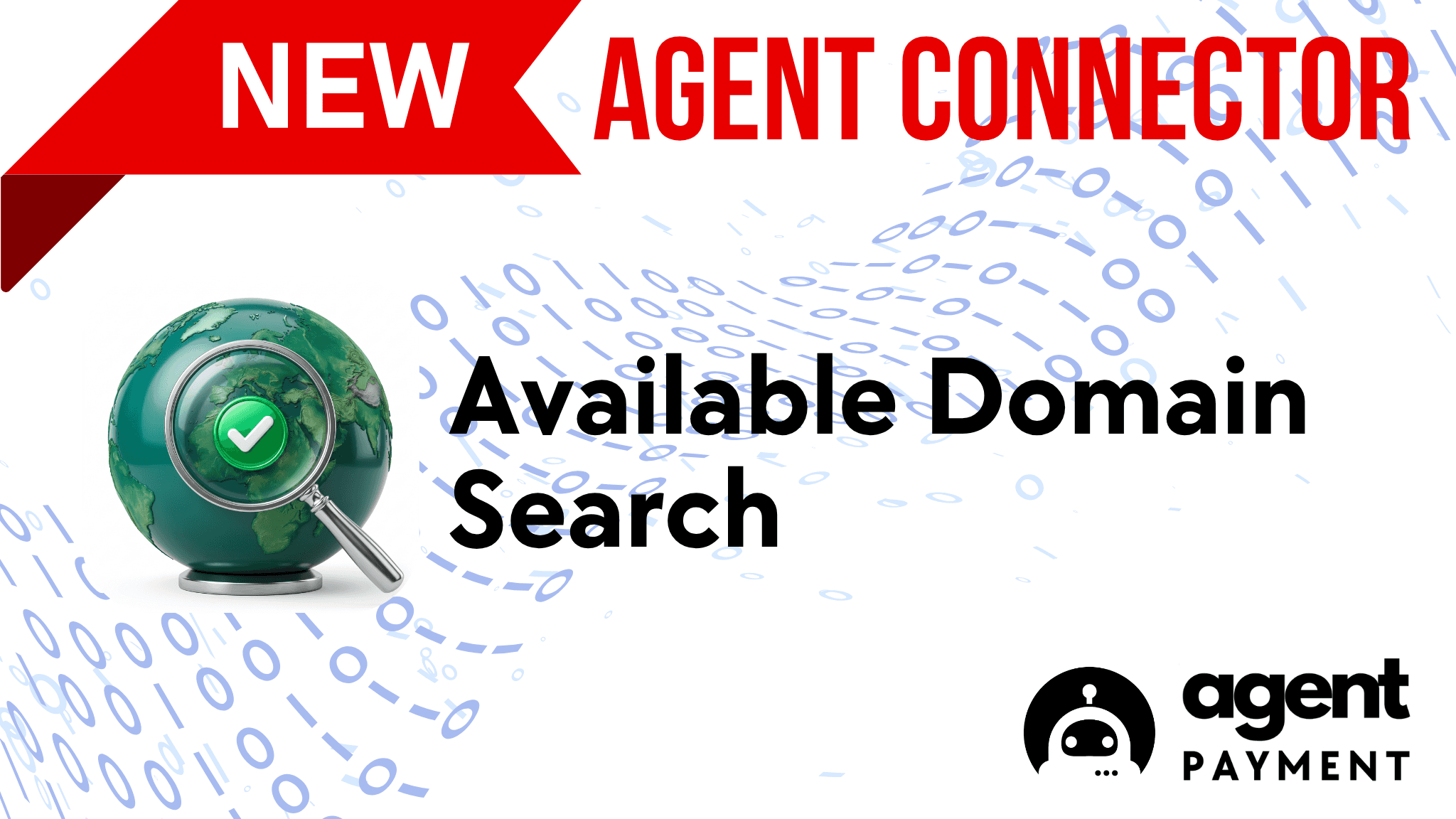
Available Domain Search is live in the AgentPMT catalog: your AI agent can generate brandable domain ideas from a plain-language business description and confirm live availability on up to a thousand names in a single pass, across hundreds of extensions. Every open name comes back with a direct registration link, so naming and registering finally happen in one run.
AstroBrowse - Authenticated Agentic Browser is live in the AgentPMT catalog, giving an AI agent a real, logged-in web browser it can drive inside the CRMs, portals, and dashboards that have no public API. Saved logins resume in a fresh, single-use session, credentials never leave the Vault, and a human takeover handles CAPTCHA or MFA without killing the run.
Pocket is now available as a connector on the AgentPMT marketplace, giving agents keyword and semantic search across a user's recordings, transcripts, and AI summaries, plus audio upload, temporary download links, and tag browsing. It turns a recording library into a queryable source that automations can act on, routing what was said into CRM notes, tasks, follow-ups, and documentation.
AgentPMT Platform Search is live on the marketplace, giving AI agents one grounded search across every AgentPMT surface: marketplace tools, workflows, prebuilt agents, documentation, help articles, research papers, videos, and FAQs. Results return canonical links, so agents cite real pages instead of guessing at URLs.
Agent Builder Tool is now on the AgentPMT marketplace: describe a job in plain language and it drafts the agent, attaches the tools, workflows, and context documents it needs, and publishes it live under its own name and link. No code, no framework, pay-per-use.
Icon Generator is live on the AgentPMT marketplace: a deterministic rendering tool that composes icons, sprites, badges, and game-ready textures from geometric primitives at any size up to 4096 pixels, with transparent backgrounds and a hard-edged pixel-art mode. Identical inputs always produce an identical PNG, so asset sets stay consistent across catalog backfills, app icon families, and game texture pipelines.
Plaud is now live on the AgentPMT marketplace as a connector that gives agents access to your voice recordings, AI notes, and speaker-attributed transcripts. It already powers running workflows that turn recorded conversations into CRM notes, follow-up emails, tracked action items, and Slack recaps.
The Quantum Distribution Generator brings statistical sampling and Monte Carlo simulation to the AgentPMT marketplace as a callable connector, so risk, reliability, and clinical-trial models run automatically inside agentic workflows instead of by hand in notebooks.
YouTube Discovery is a new AgentPMT agent tool that gives your AI agent structured, on-demand access to the public side of YouTube: search across videos, channels, and playlists, pull video and channel statistics, track trending charts by region, browse playlists, and read comment threads for audience sentiment, with no API keys or quotas to manage.
The Quantum Cryptographic Seed Generator is a new AgentPMT marketplace connector that gives agents verifiable, quantum-derived randomness on demand: seeds, UUIDs, tokens, passwords, and RSA prime pairs, each with an optional SHA-256 verification certificate and pay-per-use access.
Writing Agent - Human Style is a new AgentPMT agent tool that drafts human-sounding social replies, original posts, and Markdown blog articles strictly from the facts you supply, never inventing claims or links. It plugs straight into live automations like the X posting engine, the Human-Voice AI Blog Writer, and the Pipedrive AI Email Writer.
AI Writing Quality Check, a new MicroSAAS connector from Apoth3osis on AgentPMT, scans copy for banned phrases and AI cliches and returns field-level corrections (exact phrase, character index, context, reason) built for automated rewrite loops. Live on the marketplace and already wired into two AgentPMT workflows.

Speech to Text With Speakers, built by Apoth3osis, is now live on AgentPMT, a managed connector that turns any recording into accurate text, SRT/VTT captions, or timestamped JSON with speaker diarization across 15-, 30-, and 60-minute tiers. Agents call it through the dynamic MCP server and pay only when a transcription succeeds.
Image Generation Agent, a Google Gemini-powered (Nano Banana / Gemini 3 Flash Image) generator, is now live as a managed connector on AgentPMT. Agents render finished hero banners, ad creative, product photography, and social graphics from a text prompt across five resolution tiers and 14 aspect ratios, billed pay-per-use.
X / Twitter Automation is now live on AgentPMT: a managed connector that lets AI agents publish posts, search and reply, run social listening, and curate X Lists on a connected X account, with credentials held in an encrypted vault and billing only on success.
AgentPMT now offers the Lean Proof To Code Translator from Apoth3osis, a managed connector that compiles exportable Lean proofs into auditable C, Rust, or Wasm with a certificate, build logs, and a verification bundle. Agents generate and re-verify reproducible, audit-ready artifacts pay-per-use through AgentPMT's dynamic MCP server.
Telegram Instant Messenger is now on AgentPMT: a managed connector that gives your agent a two-way line to Telegram through the shared @AgentPMT_bot. It sends text, photos, documents, and approval prompts, reads your replies back with get_updates, and keeps credentials in AgentPMT's encrypted vault.
The Minecraft Custom Mod Builder turns a structured spec into a ready-to-install Bedrock or Java mod — deterministic, cross-platform, and callable by any agent on AgentPMT.
Stripe Direct Connection plugs AI agents into Stripe's official hosted MCP server for full read/write control over customers, subscriptions, invoicing, refunds, payment links, and disputes — one credential, pay-per-use, with the Stripe key sealed in AgentPMT's encrypted vault.
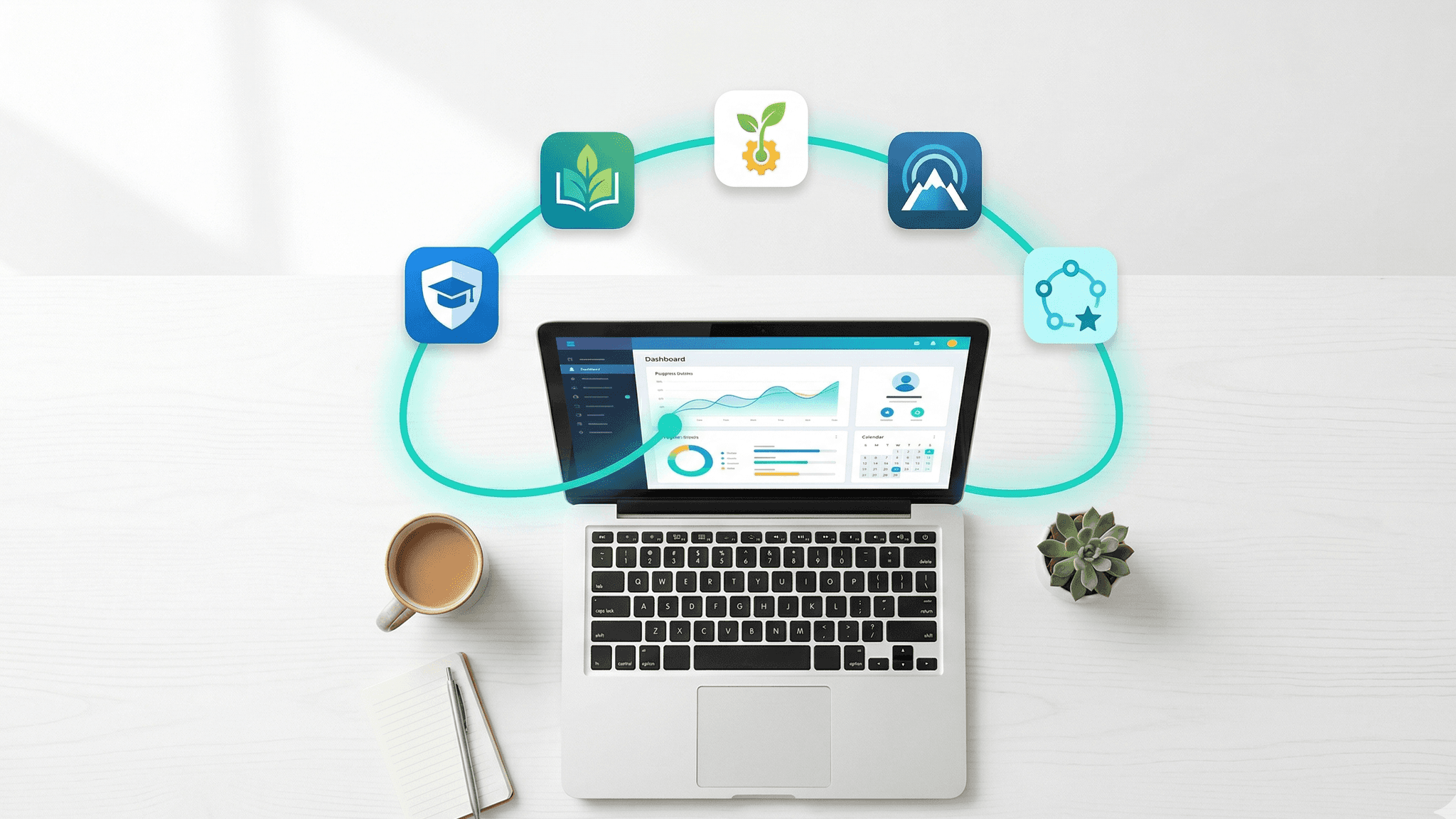
Microsoft is embedding Copilot AI tools into Canvas, Schoology, Blackboard, Moodle, and Brightspace through a single LTI integration, bringing AI course creation and tutoring to educators across all five major LMS platforms at no extra cost.

Federal regulation of AI in schools is virtually absent despite 85% teacher adoption, leaving oversight to a thin patchwork of state efforts as safety and training gaps widen.

Twenty-five state legislatures introduced 52 AI education bills in Q1 2026, taking contradictory approaches from outright bans to regulatory sandboxes, while AI tools and federal funding deploy faster than the rules can keep up.
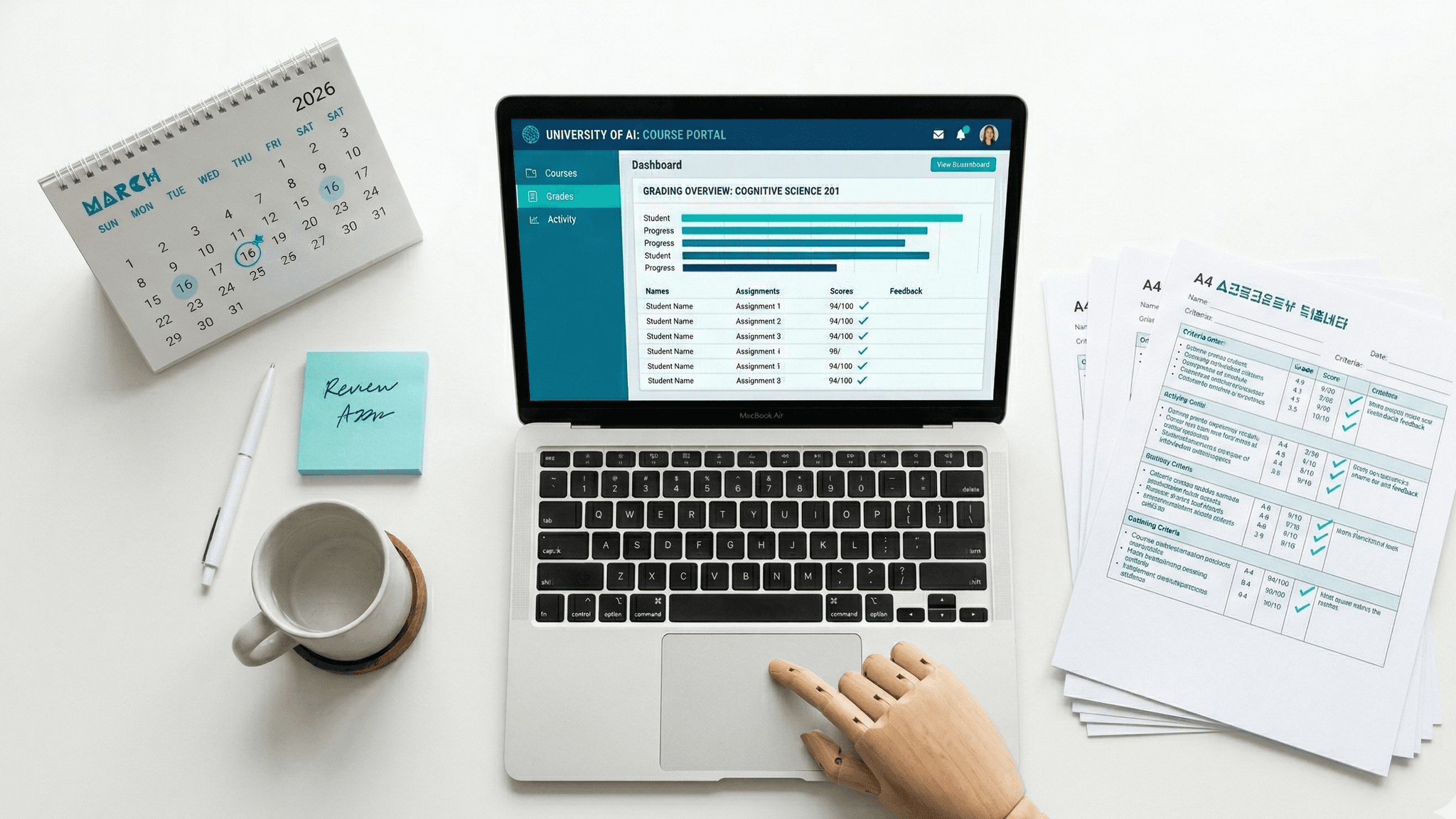
Instructure's IgniteAI Agent brings autonomous, multi-step AI workflows to Canvas, the LMS used by 40 percent of North American universities.

A bipartisan Senate bill would fund community college AI centers, NSF scholarships, and K-12 teaching guidance to close the AI education tools gap across the workforce.

The White House AI policy framework recommends Congress preempt conflicting state laws on AI in education, potentially overriding 52 active bills across 25 states while prioritizing workforce development over classroom safety regulations.

Utah Senate Bill 322 would create the most structured approach to testing AI education tools in K-12 classrooms, requiring adversarial testing before deployment.