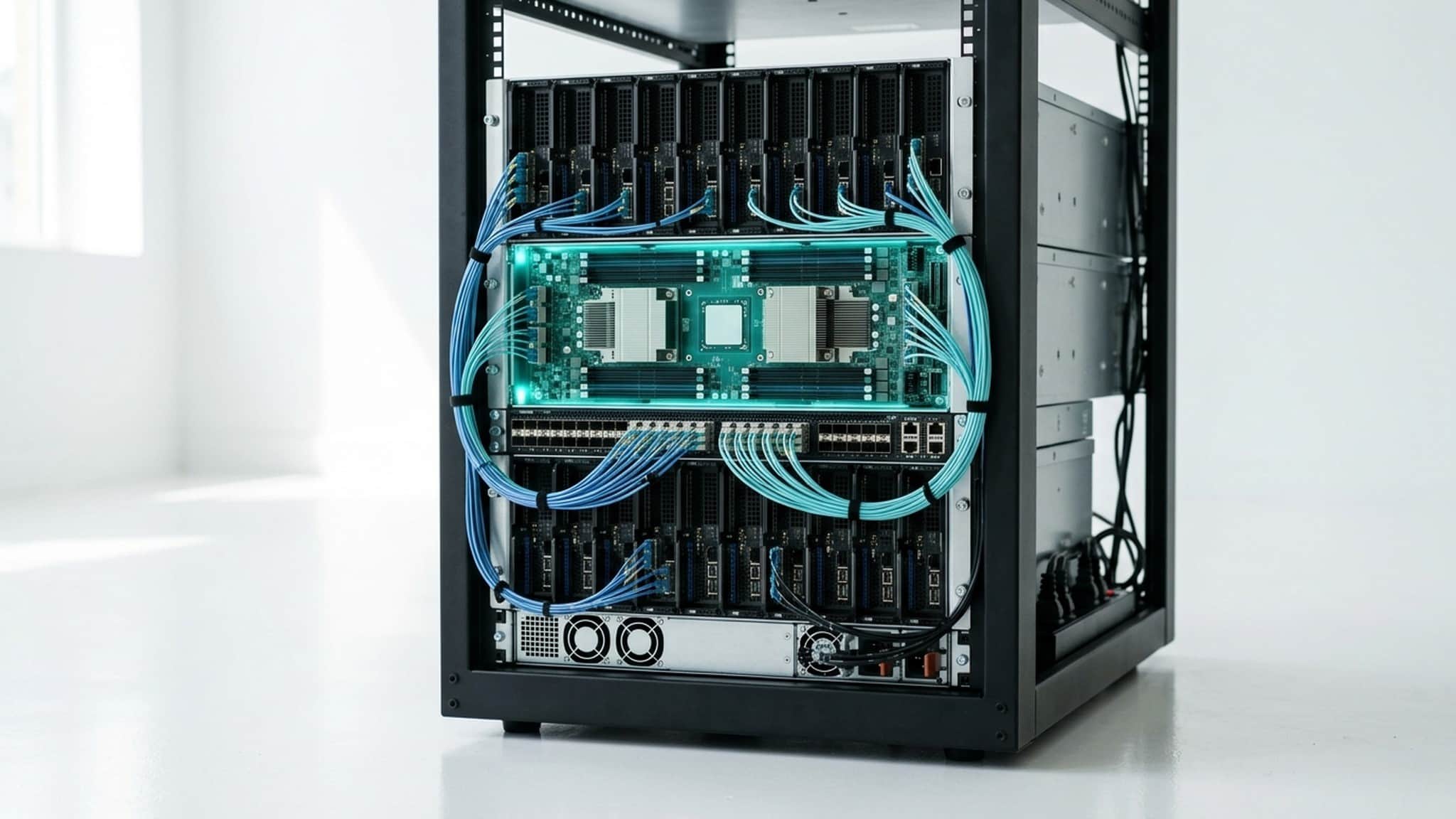
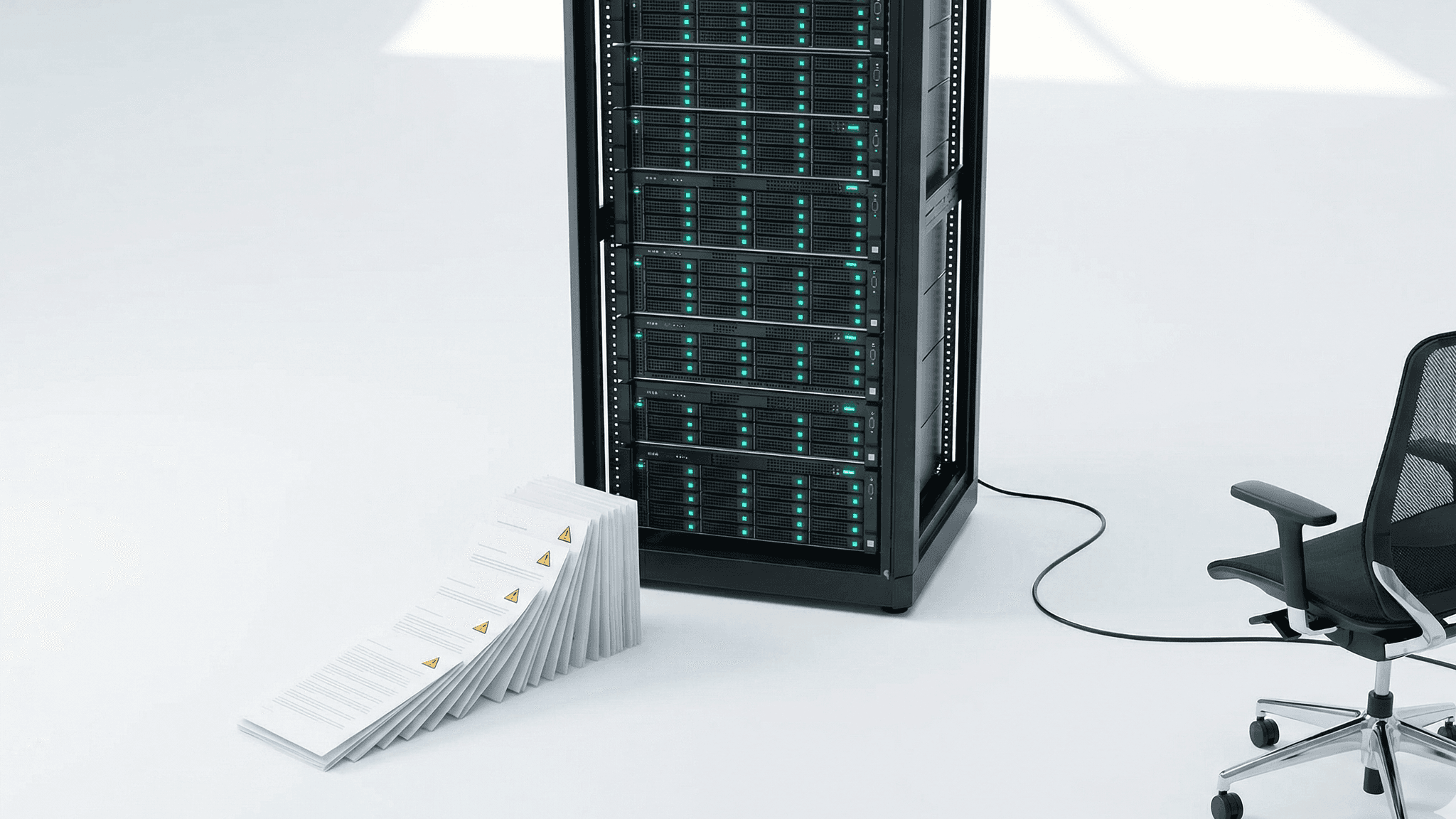
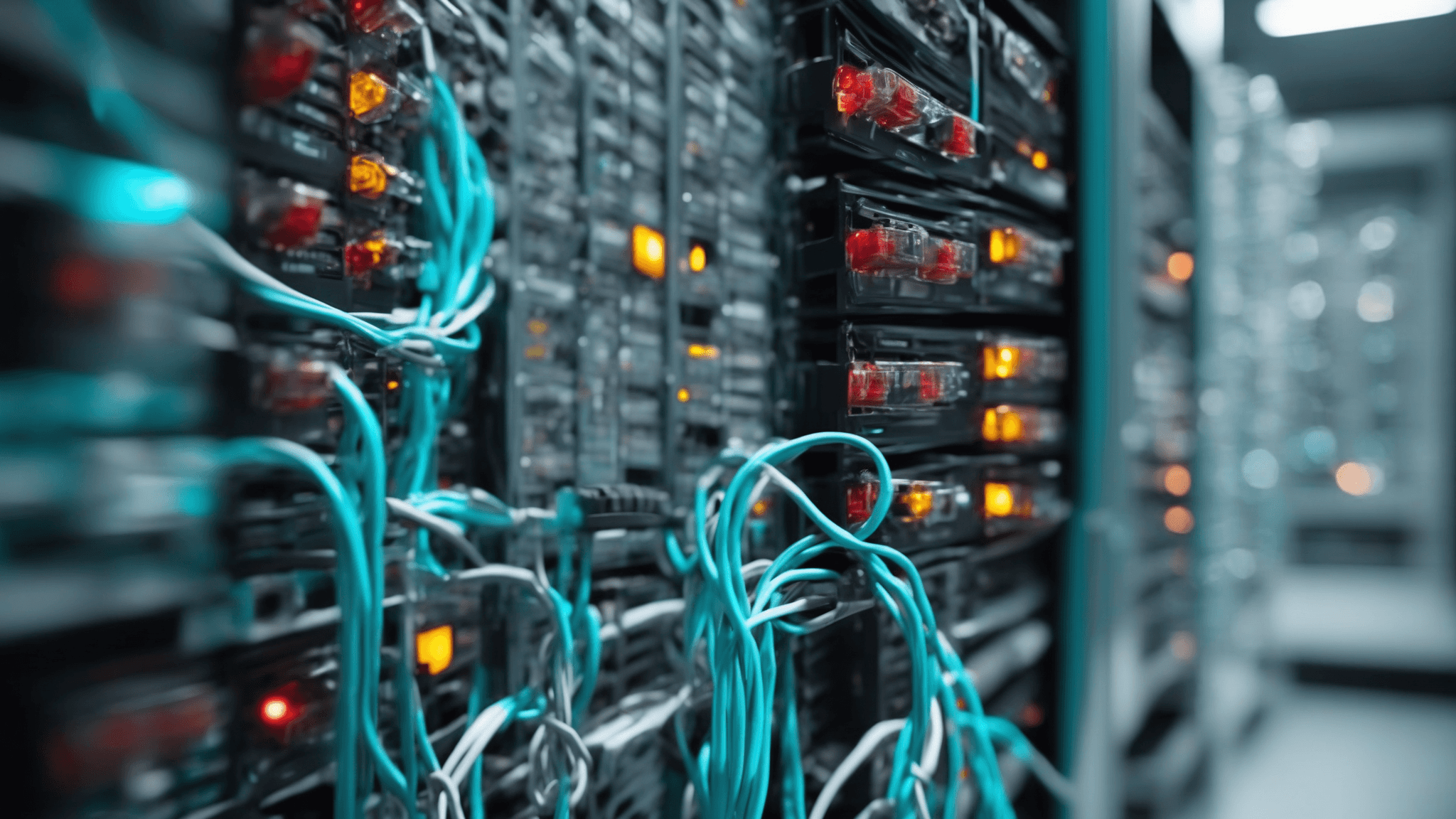
Technology and telecommunications companies operate some of the most complex infrastructure on earth — millions of servers, billions of API calls, and networks spanning continents. AI agents are now managing the operational complexity that human teams alone cannot scale to meet.
DevOps & Site Reliability Engineering
AI agents are transforming how software gets built, tested, and deployed. GitHub Copilot generates code suggestions across millions of repositories. Beyond code generation, AI agents handle incident triage, runbook execution, and automated rollback. PagerDuty's AIOps platform correlates thousands of monitoring signals to identify root cause and trigger remediation before engineers are even paged.
Network Operations & Optimization
Telecom operators manage networks with millions of endpoints generating terabytes of telemetry daily. AI agents at AT&T, Ericsson, and Nokia handle predictive maintenance, capacity planning, traffic optimization, and anomaly detection across 5G and fiber networks. Ericsson's network AI agents process cell tower performance data to predict hardware failures 72 hours before they impact service.
Customer Support & Experience
AI-powered support agents handle tier-1 and increasingly tier-2 support at scale. Telecom providers like T-Mobile and Vodafone deploy conversational AI that resolves billing inquiries, troubleshoots connectivity issues, and processes plan changes without human handoff. T-Mobile's AI assistant handles over 30% of customer interactions autonomously, with higher satisfaction scores than traditional IVR systems.
Security Operations
Security operations centers process thousands of alerts daily, most of which are false positives. AI agents perform alert triage, threat hunting, and incident response orchestration. CrowdStrike's Charlotte AI and SentinelOne's Purple AI analyze endpoint telemetry, correlate threat intelligence, and generate investigation summaries that reduce mean time to respond from hours to minutes.
Infrastructure Cost Optimization
Cloud spend optimization is a persistent challenge for technology companies. AI agents from platforms like Spot by NetApp and CloudHealth analyze usage patterns, rightsizing opportunities, and reserved instance coverage to reduce cloud bills by 30–50% without manual intervention.
What This Means for Tech & Telecom
The infrastructure that powers modern business is too complex for manual management at scale. AI agents are not replacing engineering teams — they are handling the operational toil that keeps engineers from building. Companies deploying agentic automation across their stack are shipping faster, resolving incidents quicker, and spending less on infrastructure.