Articles
Discover articles and insights

Field Sales AI Hits Hardware Aisles and Dealer Floors
This week, AI tools built specifically for in-person sales moved from pilots to chain-wide rollouts: Ace Hardware's Hey ARMA went live across more than 2,300 stores, and Moto Morini deployed Ekho to pre-qualify motorcycle buyers before handing them to dealers. The same week, Salesforce, ServiceNow, and Allego shipped the orchestration releases that explain how these tools could scale without a multi-year IT cycle. The face-to-face seller finally has the AI co-pilot the desk-based knowledge worker has had for three years.

Field Sales Teams Are Last in Line for Enterprise AI
Enterprise AI delivered major platform launches this week — Microsoft Agent 365, Salesforce Agentforce Operations, Writer's Gong trigger — but field sales teams remain structurally excluded from tools built for desk-based knowledge workers. SPOTIO's 2026 survey found one in three field sales teams has no AI tools at all; purpose-built field sales AI exists today, and field sales leaders who assemble a working system now will carry a structural advantage over those waiting for enterprise vendors to adapt desk-built products for the road.

Field Sales AI: Enterprise's Biggest Week Yet
Five major enterprise AI agent launches this week — Microsoft Agent 365 GA, Salesforce Agentforce Operations, Writer Gong triggers, Anthropic and OpenAI deployment ventures, and Microsoft Work Trend Index — signal enterprise AI is now production infrastructure, but field sales teams remain the most technology-poor segment of the enterprise.

Auto Dealership Software Gets AI Built Into Every Layer
Five AI products launched across the auto dealership stack in one week in May 2026 — covering website chat, advertising, service bay inspection, and call tracking — showing that AI adoption in automotive retail has moved beyond single-department experiments. The tools individually solve real problems, but most operate as disconnected systems that don't share data, and the integration work required to make them function as a stack still falls on dealers.

AI for Car Dealerships: Five Advances Across Every Layer
Five AI product launches landed across different layers of dealership operations in one week — from website AI and VIN-level video ads to call tracking, service inspection grading, and AI search readiness. Here is what dealers need to know.

AI Creative Tools Go Agentic — Four Platforms Ship Production Agents in March
In March 2026, Adobe, Luma AI, Google, and Moments Lab each shipped AI agents designed to orchestrate full creative productions rather than generate single assets. The launches arrived alongside unresolved copyright questions — the US Supreme Court let stand a ruling that purely AI-generated work cannot be copyrighted, and the UK scrapped its planned AI copyright exception.

Animal Care and Technology: Three AI Launches This Week
Between April 27 and May 1, 2026, three serious animal AI products shipped into real-world settings: Halter routed cattle collars through Starlink, Boehringer Ingelheim and Eko Health put a heart-murmur AI in general-practice exam rooms, and Parks Victoria open-sourced a 212-species wildlife model. The week's signal is that the bottleneck for animal AI has shifted from model accuracy to deployment surface — connectivity, point-of-care hardware, and distribution — with implications well beyond animal health.

Veterinary AI This Week: Five Animal Health Launches
Five animal health AI launches from late April to early May 2026 — including Halter's direct-to-Starlink cattle collars, Boehringer Ingelheim and Eko Health's CANINEBEAT canine heart murmur AI, and Parks Victoria's open-source 212-species wildlife recognition model.

Farm Bill's 90% Agriculture AI Subsidy Heads to House Floor
The House is scheduled to vote the week of April 27 on the Farm Food and National Security Act of 2026, a bill whose Section 6302 would reimburse farmers 90 percent of the cost of adopting AI and precision agriculture equipment through EQIP. The provision also directs USDA, NIST, and the FCC to co-author voluntary industry-led standards for connectivity, cybersecurity, and AI on farms. Tariffs, Nebraska's new agricultural data privacy law, and a tight floor-vote count will shape what federal money actually buys.

Agriculture AI This Week: 5 Stories to Know
A roundup of the five agriculture AI stories worth your time from April 15-20, 2026 — from the Farm Bill's 90% AI subsidy heading to the House floor to the products already shipping that the subsidy would fund.

Food Supply Chain AI Hits Farm, Factory, and Shelf
In five days, AI arrived at every link of the food supply chain — Bayer designing herbicides in silico, Chef Robotics crossing 100 million production meal servings, Airbus AI tracking cabin waste, Klim turning regenerative agriculture into a cashflow argument, and agentic shoppers reaching the grocery aisle. Washington moved in parallel, with a new $20 million USDA carve-out for specialty-crop automation and a draft Farm Bill heading to the House floor that would raise the precision-agriculture cost-share to 90 percent. The week redefined agriculture AI as a supply-chain story, with the most consequential decisions happening off the farm.

Food Supply Chain AI: This Week's Top Stories - AgentPMT - 2026-04-19
Five stories from 2026-04-14 to 2026-04-19 showing AI arriving across every link of the food supply chain — Bayer's in-silico herbicide, Chef Robotics' 100M production servings, USDA's $275M specialty-crop grant with a $20M automation carve-out, a Farm Bill heading to the House floor, and agentic commerce crossing into food and beverage.

Animal Health AI Hits $2B as Halter Closes $220M Round
Halter's $220 million Series E, led by Peter Thiel's Founders Fund, prices animal health AI at a $2 billion valuation — the clearest public signal yet that livestock-focused AI has moved into scaled production. The round arrived the same week as a second Singapore cultivated-meat approval, a compressed AI deployment playbook for ag lenders, and fresh evidence that the federal food recall system is still running years behind the food it is supposed to protect.

Animal Health AI's $2B Week: Halter, Duck, and a Recall Gap
Halter's $220M Series E at a $2B valuation anchored a week of animal health AI milestones — cultivated duck's second Singapore approval, a $51.6B market forecast, and a 90-day ag-lender AI playbook — while a PIRG report documented multi-year food recall delays.

Farm AI Hit Production in Four Launches This Week
Between April 13 and April 15, 2026, four farm AI products left pilot status, the UK committed public-private funding to deploy AI and robotics on working farms, and specialty-crop vendors began pricing in crop cycles rather than demo hours. Agriculture AI is running in production across hardware, software, and transactional fronts simultaneously, and buyers now have enough specificity — ROI claims, deployment timelines, pricing frameworks — to evaluate tools against their own season.

Agriculture AI This Week: Four Production Launches and a £50M UK Bet
A compressed April news cycle pushed farm AI past the pilot stage — GROWMARK's cooperative agronomy agent, Polybee's physical AI drones, GEODASH spraying drones, the UK's £50M deployment scheme, and Carbon Robotics hitting $100M revenue all landed in one five-day window.

AI Agents Ship Payment Protocols While Governance Stalls
Three AI agent payment protocols — x402, Stripe's Machine Payments Protocol, and Google's AP2 — have emerged in rapid succession, each backed by major technology and financial companies. The speed of protocol development is outpacing the governance, identity, and accountability standards that enterprises need before deploying autonomous agent commerce at scale.

AI Agent Payment Protocols Outpace Governance Standards
Five major developments in AI agent payments and governance — from the x402 Foundation launch to the first regulated agent transaction — show an industry building faster than its safeguards.

19 AI Laws in Two Weeks as Agent Governance Converges
Nineteen AI bills became law across U.S. states in two weeks, Microsoft released an open-source toolkit covering all ten OWASP agentic AI risks, and DARPA announced a program to formalize agent-to-agent communication. The convergence signals that governance infrastructure for AI agents is arriving from multiple directions simultaneously, with enforcement deadlines starting in mid-2026.

AI Regulation Accelerates: 19 State Laws Passed in Two Weeks
U.S. states passed 19 AI-related laws in a two-week period ending April 6, 2026, covering frontier models, chatbot safety, healthcare AI, and deepfakes.

Microsoft Open-Sources AI Agent Governance Toolkit
Microsoft released a seven-package, MIT-licensed toolkit that addresses all 10 OWASP agentic AI risks with sub-millisecond policy enforcement.

49% of Organizations Can’t See Their AI Agent Traffic
Darktrace’s 2026 cybersecurity report finds nearly half of organizations cannot monitor their AI agents, while most deployed agents bypassed security review.

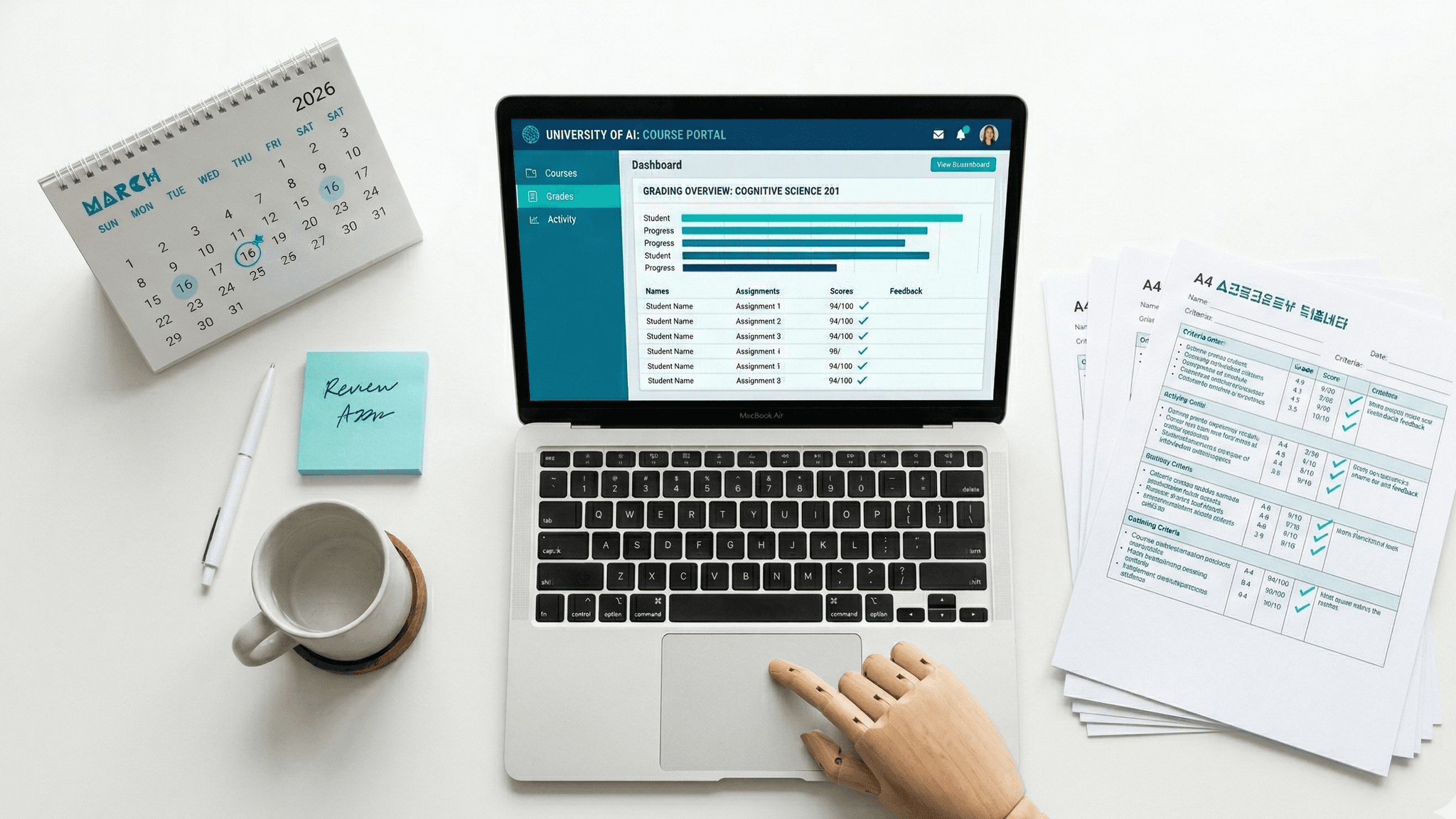
Microsoft Copilot Brings AI Education Tools to Five LMS Platforms
Microsoft is embedding Copilot AI tools into Canvas, Schoology, Blackboard, Moodle, and Brightspace through a single LTI integration, bringing AI course creation and tutoring to educators across all five major LMS platforms at no extra cost.

AI Education Tools Reach 85% of Teachers, No Federal Rules
Federal regulation of AI in schools is virtually absent despite 85% teacher adoption, leaving oversight to a thin patchwork of state efforts as safety and training gaps widen.

Five Regulations Converge on Construction AI This Summer
Five regulatory frameworks from California, Colorado, the CFPB, RICS, and OSHA converge on construction and real estate AI before July 2026, creating a fragmented compliance surface that most firms deploying these tools have no unified plan to address.

Construction AI Rules Take Effect June 30 in Colorado
Colorado's AI Act takes effect June 30, 2026, requiring impact assessments and consumer disclosures for construction AI and real estate AI used in housing decisions.

AI Property Valuation Models Face New Federal Safeguards
Six federal agencies approved a coordinated rule requiring companies using AI property valuation tools for home appraisals to implement documented safeguards against bias, data manipulation, and inaccuracy.

AI Property Valuation Gets First Global Standard
RICS will publish the first global professional guidance on AI property valuation, opening for public consultation in Q2 2026.

Construction AI Adoption Hits 37% as Worker Shortage Grows
Construction AI adoption reached 37% in 2026 as a 499,000-worker shortfall pushes firms toward autonomous equipment and building automation at production scale.

Banking Automation Faces $262 Billion AI Agent Checkout Shift
Salesforce data shows AI agents influenced $262 billion in 2025 holiday sales, and banks whose products aren't machine-readable risk disappearing from agent-driven checkout.

Visa, Mastercard Launch Financial Automation for AI Agents
Visa and Mastercard are deploying production payment systems for autonomous AI agents, with Visa's Trusted Agent Protocol going live through Ramp and Mastercard's Agent Pay completing its first autonomous transaction in Hong Kong through HSBC, as financial services firms face converging regulatory deadlines from Colorado, the EU, and the NAIC.

Supply Chain AI Agents Cross 3 Million Autonomous Tasks in Q1 2026
In Q1 2026, logistics companies moved AI from advisory roles to autonomous operation, with agents negotiating freight rates, accepting loads, and coordinating warehouse robots at production scale while regulators work to catch up.

Nuvocargo Deploys 12 AI Freight Management Agents
Nuvocargo has launched Nuvo AI, deploying 12+ autonomous agents to manage over 70% of freight touchpoints with projected 7-20% spend reductions for shippers.

MIT's Hybrid Warehouse AI Boosts Robot Throughput 25%
MIT researchers achieved a 25% warehouse robot throughput improvement using a hybrid AI system that combines reinforcement learning with classical planning, with performance gains increasing as robot density rises.

Microsoft Runs 25+ Supply Chain AI Agents, Eyes 100
Microsoft runs more than 25 AI agents in its own supply chain and plans to scale past 100 by year-end, building interoperability standards with MCP and Agent2Agent Protocol that could shape how the broader logistics AI market connects.

Logistics AI Meets Regulation: DOT Plans to Use Google Gemini for Transportation Safety Rules
The U.S. Department of Transportation plans to use Google Gemini to draft transportation safety regulations, drawing sharp criticism from staffers and former officials who warn that AI-generated rules covering aviation, pipelines, and hazmat transport could compromise public safety.

Energy AI Hit 70% Autonomy Before Anyone Wrote the Rules
The energy sector operates at 70% autonomy with a third of operations fully autonomous, but the EU AI Act classifies most grid AI as high-risk with compliance required by August 2, 2026 — and most companies cannot inventory the AI systems already running their infrastructure.

Manufacturing AI Hits 98% With No EU Compliance Plan
Nearly every manufacturer has embedded AI into core operations, but the EU AI Act high-risk compliance deadline of August 2, 2026 requires 8 to 14 months of work and most have not started. This article maps the collision between manufacturing AI adoption speed, EU regulatory readiness, and new NDAA defense supply chain restrictions.

Manufacturing AI Adoption Hits 98% While Only 20% Are Prepared
A Redwood Software survey of 300 manufacturers finds near-universal AI exploration but a steep operational readiness gap, with most factories still running critical data transfers manually.

EU AI Act Gives Manufacturing AI 32 Weeks to Comply
High-risk manufacturing AI systems face an August 2, 2026 compliance deadline, and the minimum preparation timeline already exceeds the remaining window.

Manufacturing AI Governance at 21% as Adoption Heads to 74%
Deloitte's 3,000-leader survey finds agentic AI adoption will triple in two years while fewer than one in four companies have mature governance for autonomous agents.

Real Estate AI Tool Unlocks U.S. Property Data
AgentPMT now offers Real Estate Sales Leasing and Valuations, a nine-action real estate AI tool by Apoth3osis that gives AI agents programmatic access to U.S. property records, sale and rental listings, valuations, rent estimates, and market statistics at 25 credits per action.

MongoDB Connector: AI Infrastructure for Database Agents
AgentPMT launches the MongoDB Connector, a 25-action tool that gives autonomous AI agents direct, authenticated access to MongoDB databases -- including queries, aggregations, vector search, index management, and bulk operations -- at 5 credits per call.

Blender 3D Modeling Is Live on AgentPMT
AI agents can now render 3D models, generate turntable videos, convert file formats, and run custom Blender Python scripts through AgentPMT at 25 credits per call.

Banking Automation Enters the Agent Era as New AI Laws Loom
Visa, Mastercard, and crypto networks are racing to build payment infrastructure for autonomous AI agents, but Colorado's AI Act, the EU AI Act, and federal guidance will determine how much autonomy those agents actually get — and the identity verification gap between the two tracks remains unsolved.

Banking Automation Moves Past Chatbots Into Agent Execution
Financial institutions are moving AI spending past chatbots into autonomous agents that handle compliance workflows, treasury operations, and payment processing in real time.

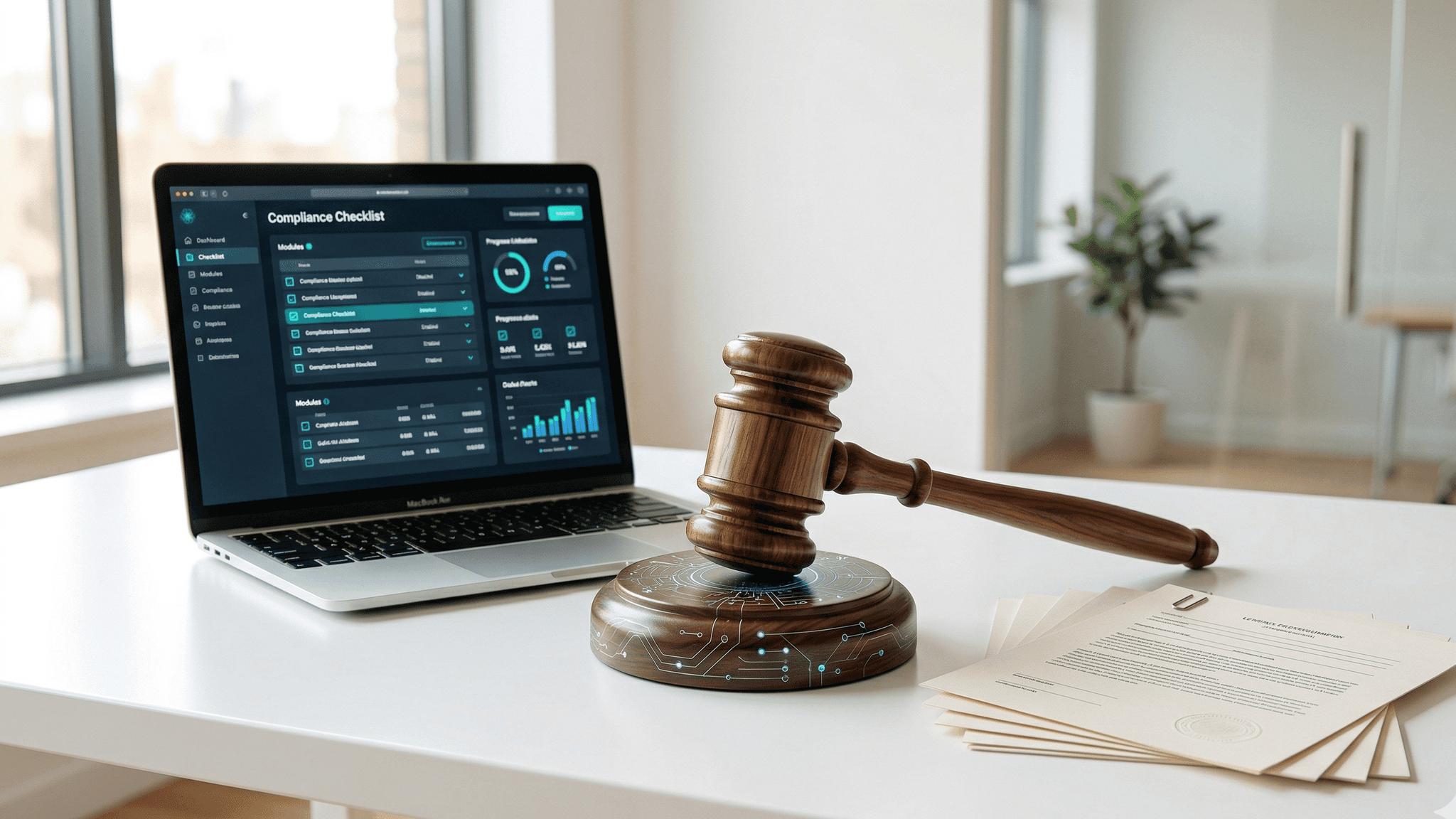
AI Compliance Tools Face a State-by-State Regulatory Maze in Financial Services
Colorado's AI Act and expanding state-level regulations are forcing financial services firms to build unified regtech AI infrastructure for lending compliance across multiple jurisdictions.

Banking Automation Milestone Proves AI Agent Payments Work
Visa has completed hundreds of secure AI-agent-initiated transactions with over 100 global partners, proving that card network infrastructure for autonomous agent commerce is operational and heading toward mainstream adoption by the 2026 holiday season.

Fiserv Adds Banking Automation for AI Agent Payments
Fiserv is integrating Mastercard's Agent Pay Acceptance Framework into its merchant platform, routing AI-initiated purchases through existing card processing infrastructure across Clover POS and eCommerce channels.

Healthcare AI Agents Ship From Three Vendors in 10 Days
Amazon, Salesforce, and Microsoft each shipped healthcare-specific AI agent platforms in a 10-day window in March 2026, delivering real operational savings for early adopters while the federal regulatory framework remains decades behind deployment speed.

Healthcare AI Agents Get a Price Tag: AWS Ships Amazon Connect Health at $99 Per Clinician
AWS launched Amazon Connect Health, a $99-per-clinician platform of five AI agents for healthcare providers, with early adopters reporting 630 hours in weekly labor savings on patient verification alone.

Salesforce Launches Six Healthcare AI Agents
Salesforce added six specialized AI agents to Agentforce Health, covering referral routing, EHR interoperability, insurance claims, epidemiology, rural access, and hospital operations.

Microsoft Healthcare AI Pulls From 50,000 Hospitals
Microsoft launched Copilot Health, a consumer healthcare AI platform aggregating data from 50-plus wearable brands and 50,000 hospitals into an AI health companion with isolated privacy controls.

Healthcare AI Regulation: 200 State Bills, No Federal Law
States have introduced 200 AI-related bills in 2026 while Congress has passed zero direct health AI laws, leaving healthcare organizations navigating a fragmented compliance landscape with no federal floor.

1,100 Government AI Use Cases Under a Four-Page Federal Plan
The White House released a four-page National AI Policy Framework proposing to preempt all state AI laws, while federal agencies already operate over 1,100 active AI use cases with thin governance — vendor self-evaluation, missed reporting deadlines, and a modernization budget Congress cut from $45 million to $8 million.

Government AI Policy: White House Framework Sets Federal Direction
The White House released a four-page government AI policy framework establishing six core objectives and proposing broad federal preemption of state AI laws.

Government AI Preemption: States Face New Federal Limits
The White House AI framework calls for federal preemption of state AI regulations, drawing support from tech industry groups and sharp pushback from consumer advocates and state attorneys general.

Public Sector AI Use Surges Past Private Industry
Gallup research finds 43% of public-sector employees now use AI tools, outpacing private industry for the first time, while only 37% of agencies report having a clear AI strategy.

AI Consulting Tools Forced 64% to Rewrite Entry Hiring
Professional services firms replaced junior roles with AI agents at unprecedented speed — 64% altered entry-level hiring in a single quarter — while only one in five built the governance infrastructure to manage those agents. With the EU AI Act deadline five months away, the gap between deployment and accountability is becoming the industry's defining competitive divide.

Legal AI Governance Becomes Table Stakes for Law Firms
Salesforce CLO argues that AI governance is now a competitive requirement for law firms, not an optional upgrade.

KPMG: AI Staffing Shifts Hit 64% of Enterprise Entry-Level Hiring
KPMG's Q4 AI Pulse Survey found that 64% of large enterprises restructured entry-level hiring around AI agents in a single quarter, even as governance gaps slow actual agent deployment.

AI Consulting Tools Drive Deloitte to Scrap 181,500 Titles
Deloitte is replacing its traditional job-title hierarchy for all U.S. employees, a restructuring driven by how AI consulting tools are changing what professional services firms actually deliver.

Legal AI Firm Norm Law Raises $140M, Hires Sidley Chair
Norm Law LLP, backed by $140M from Blackstone and others, represents a fundamentally different legal AI model where attorneys build AI agents rather than just using them.

Legal AI Firms Launch With 130 Partners, No Junior Lawyers
New law firms are launching with AI-native staffing models that skip junior associates entirely, backed by venture capital and validated by regulatory benchmarks.

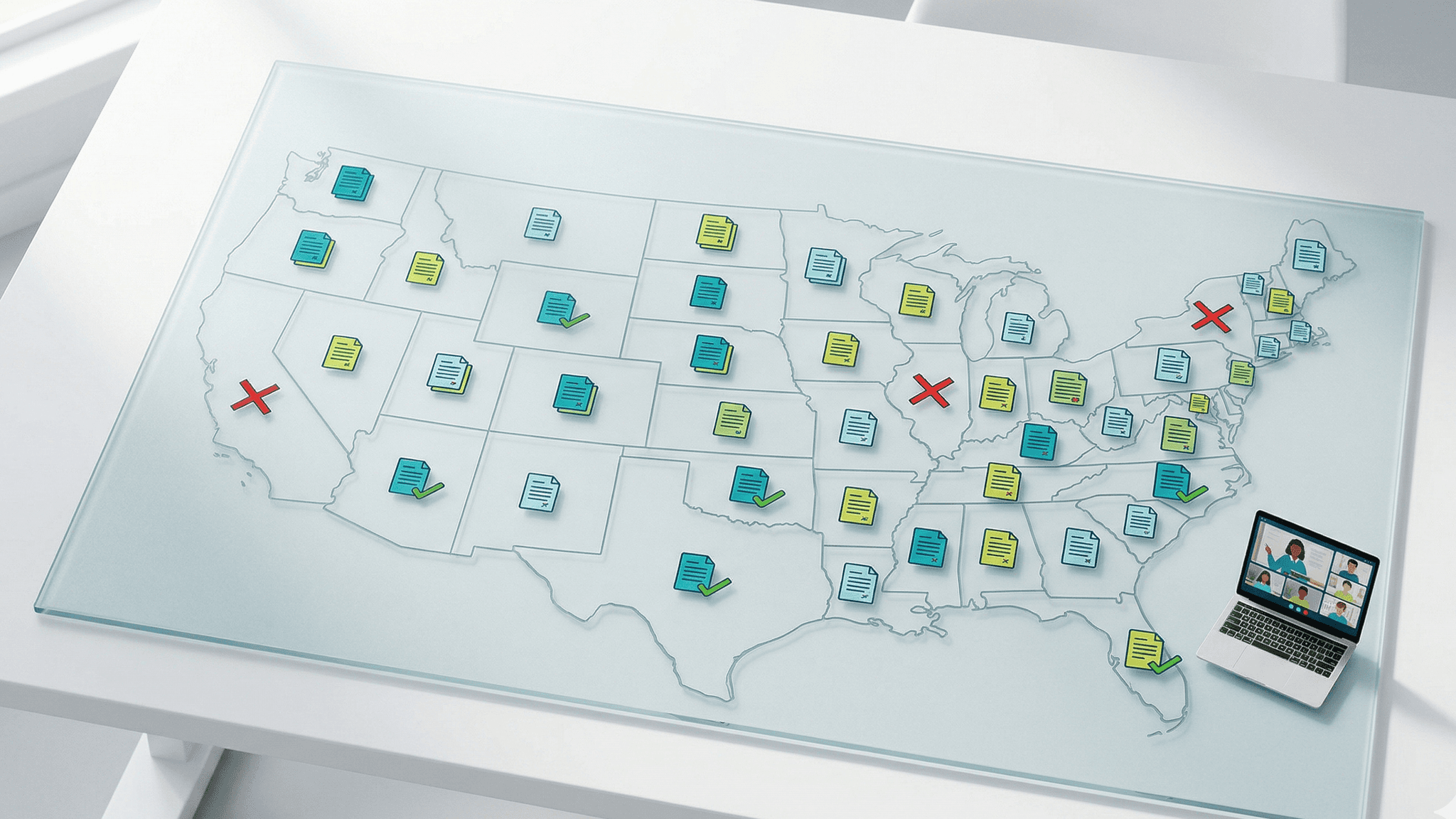
52 AI Education Bills Hit 25 States With Contradictory Rules
Twenty-five state legislatures introduced 52 AI education bills in Q1 2026, taking contradictory approaches from outright bans to regulatory sandboxes, while AI tools and federal funding deploy faster than the rules can keep up.

AI Education Tools Go Agentic as Canvas Launches IgniteAI
Instructure's IgniteAI Agent brings autonomous, multi-step AI workflows to Canvas, the LMS used by 40 percent of North American universities.

NSF AI Education Act Targets 1 Million Workers by 2028
A bipartisan Senate bill would fund community college AI centers, NSF scholarships, and K-12 teaching guidance to close the AI education tools gap across the workforce.

AI Education Tools Face White House Preemption Push
The White House AI policy framework recommends Congress preempt conflicting state laws on AI in education, potentially overriding 52 active bills across 25 states while prioritizing workforce development over classroom safety regulations.

AI DevOps Agents Handle 35,000 Incidents a Month. Most IT Teams Can't Deploy Even One.
All three hyperscalers shipped production-grade AI agents for IT operations in Q1 2026, proving the technology works at scale — but only 11% of enterprises have agents in production because most lack the governance infrastructure, cross-platform audit trails, and spending controls required to let autonomous software operate safely.

$815M Flooded Into AI Creative Tools in Eight Weeks. The People Expected to Use Them Are Organizing Against It.
Between February and March 2026, AI creative tools companies raised $815 million while GDC's annual developer survey revealed that 52% of game developers now view AI as harmful to their industry — a figure that has nearly tripled in two years. The collision between massive capital deployment and accelerating workforce resistance is forcing studios to confront a governance question: can they give their teams visibility, cost controls, and override authority over the AI agents entering their production pipelines?

$326M in Construction AI — Still Cannot Staff a Jobsite
Over $326 million flowed into construction and real estate AI in Q1 2026, but a retiring workforce, a thinning junior pipeline, and incoming regulation from the Colorado AI Act and CFPB mean the industry absorbing these tools lacks the people to run them and the governance infrastructure to satisfy the regulators already writing rules.

Productivity AI Tools Hit Q1. The Lock-In Hit Harder
Microsoft, Salesforce, and Google all shipped autonomous AI agents in Q1 2026, each confined to its own ecosystem. With 90% of enterprises reporting zero measurable AI productivity gains and only 27% of systems connected enough to share data, platform lock-in may be deepening vendor dependency faster than it delivers returns.

Healthcare AI Agents Stall at 3% Despite $440 Billion in Administrative Waste
Every major tech vendor launched healthcare AI agents at HIMSS26, yet Microsoft research shows only 3 percent of health systems have deployed agents in live workflows. The governance infrastructure gap keeps the other 97 percent stuck between pilot and production.

Automated Accounting Got $175M. Governance Got Nothing.
AI agents crossed from pilot to production in accounting and financial services in Q1 2026, backed by over $175 million in dedicated funding from Basis and Accrual, plus an Intuit-Anthropic MCP partnership and the first regulated AI agent payment by Santander and Mastercard. But the governance, compliance, and auditability frameworks these agents need to operate in regulated environments are trailing behind deployment pace, with the EU AI Act high-risk deadline just five months away.

The Agent Skills Supply Chain Is Already Compromised. The Architecture Was the Problem.
The first mass supply chain attack on AI agent skill registries exposed a 13.4 percent critical vulnerability rate across ClawHub. The failure was architectural — trust by default, no identity verification, no scoped authorization. The answer was always better infrastructure, not more regulation.

40% of AI Agent Projects Will Be Canceled by 2027
Gartner predicts over 40 percent of agentic AI projects will be canceled by end of 2027. The failures share a common trait: missing infrastructure, not missing intelligence.

$285B Gone in 24 Hours. Per-Seat SaaS Is Over.
AI agents just collapsed the pricing model that built enterprise software. The companies scrambling to add credits-based pricing are admitting what builders already knew.

AI Agents Just Entered the Bloomberg Terminal
Bloomberg embedded agentic AI into its Terminal, OpenAI shipped GPT-5.4 with financial tools that doubled benchmark scores, and regulators set deadlines for this week. The infrastructure standard being set in finance applies to every business deploying agents.

79% of Companies Can't See What Their AI Agents Are Doing
AI agents gained computer use, credit cards, and trust infrastructure in the same week — while most enterprises still can't track what their agents are doing.

AI Traffic Surged 1,200%. Shopify Built the Rails.
Shopify opened its entire commerce infrastructure to every brand on earth — including non-Shopify merchants — positioning itself as the checkout backbone for every AI agent conversation.

AI Agents Got Real Wallets. 37% of Tools Have Flaws.
AI agent payments went live across five competing architectures in Q1 2026, but 37% of agent marketplace skills have security flaws—making governance the most critical infrastructure gap in agentic commerce.

When Agents Run for Months and Spend Real Money, You Need More Than a Chatbot Budget
Agents now run for months and spend real money. Most businesses still deploy them like chatbots. The operational infrastructure gap is widening — and the window to close it is shrinking.

Six Agent Marketplaces in 28 Days
Six competing agent marketplaces shipped in February 2026. None interoperate. The builders who bet on open distribution will outlast those locked into a single ecosystem.

21,000 Agents, Zero Code: Agent Building Goes Mainstream
Non-developers built 21,000 autonomous AI agents in Notion's first week. The agent-building barrier just collapsed—and the platform lock-in problem is already here.

The Integration Layer Is the New Lock-In
Four companies shipped four agent connector systems in three weeks. None interoperate. The integration layer, not the model, is the new lock-in.

The AI Productivity Paradox: 80% Can't Show Returns
A landmark study of 6,000 CEOs found zero measurable AI productivity gains at most firms — while McKinsey's 25,000 agents saved 1.5 million hours. The difference is accountability infrastructure.

The AI Checkout Wars Are Here. Consumer Trust Isn't.
Five tech giants launched AI shopping agents in three weeks. Consumer research says only 17% would let one complete a purchase — the trust gap defines who wins.

Agents Use Computers. 3.3% of Enterprises Use Agents.
Anthropic's Sonnet 4.6 scores 72.5% on real-world computer tasks while Microsoft's Copilot reaches just 15 million paid users out of 450 million subscribers — the deployment gap, not the capability gap, is the real bottleneck for enterprise AI.

$700 Billion in AI Capex and One CEO Calling It a YOLO
Five hyperscalers committed $690B to AI infrastructure in a single earnings week. Anthropic's CEO says if revenue projections slip by one year, "you go bankrupt." The middleware layer is where the smart money is actually building.

Seven Payment Rails, Two Weeks: Who Controls Agents?
Seven companies shipped production payment infrastructure for AI agents in two weeks. The financial layer of the agent economy is being built right now — and governance is the missing piece.

Pricing MCP Tools When Your Customer Is a Machine
How to price tools for agent consumption without losing money on every call or leaving revenue on the table -- the margin math, the model tradeoffs, and why traditional billing cannot keep up.

Why Agent Marketplaces Matter
Centralized tool discovery is not a convenience feature. It is an economic structure that changes who builds, who buys, and how fast autonomous systems can compound capability.

MicroSaaS: When Agents Replace Seats
SaaS was built for humans with seats. Agents don't sit down. The business model is fragmenting — and the companies that see it coming will own the next distribution layer.

Budget AI Agents Like Cloud, Not Like Headcount
FinOps practices transfer to agent programs -- but the primitives are different. Here is the three-layer budget model that makes agent spend visible, predictable, and safe.

Token Spend vs Tool Spend: Where Agent Budgets Actually Go
Your team is optimizing the wrong line item. Token costs are visible, predictable, and usually small. Tool costs are where agent budgets quietly bleed out.

The Agentic ROI Playbook: From Pilots to Profit
A CFO-grade playbook for agent ROI: measure cost per outcome, bound risk, and scale workflows with budgets, policy, and audit trails.

Procurement for Agents: Micro-Budgets Beat Purchase Orders
Procurement for agents without the paperwork: programmable micro-budgets, vendor allow-lists, and audit artifacts that keep finance calm.

The Approval Workflow Nobody Wants to Design
Approval fatigue is a bigger risk than no approvals at all. Here is how to design human-in-the-loop workflows that actually govern -- using caps, allow-lists, rich approval packets, and escalation design.

When Your MCP Tools Become the Threat Vector
MCP servers are installable dependencies, and they carry every supply chain risk that npm and PyPI taught us the hard way. Here's what's already going wrong.

Building an Internal Agent Services Catalog
Your agents can only use what they can find -- and right now, most enterprises have no reliable way for agents to find anything.

Marketplace Design for Agents: When the Buyer Is Software
When your marketplace's most important customer can't see a screenshot or read a testimonial, everything about how you design listings, discovery, trust, and transactions has to change.

Twenty-Four Days Until Washington Decides How Your AI Agents Can Operate
The Commerce Department's March 11 report on state AI laws, NIST's March 9 comment deadline on agent security, and Anthropic's $20M political bet are converging into the most consequential regulatory month for AI agents since the technology went mainstream.

Twenty Thousand Agents at One Bank: The Enterprise Deployments That Actually Worked
Enterprise AI agents are delivering measurable ROI at Goldman Sachs, BNY Mellon, and ServiceNow — but 79% of organizations lack the infrastructure to replicate those results.

The Agent Observability Crisis in the Fortune 500
80% of Fortune 500 companies now run active AI agents, but only 25% of AI initiatives deliver on promised ROI. The gap is an observability crisis — and it's the most expensive blind spot in enterprise technology.

The CFO's Guide to Stablecoin Agent Rails
Your agents are about to spend money on your behalf. The payment infrastructure you are currently using was not designed for this. Stablecoins are the settlement layer that makes autonomous agent economics feasible.

Agentic Commerce: When Buyers Are Machines
Human commerce has buyers, sellers, and a lot of feelings. Agentic commerce has callers, responders, and budget policies. The business models look nothing alike.

MCP Gateways: The Future of AI Connected Tools
An exploration of MCP gateways—the critical infrastructure layer for scaling AI agent tool access—covering dynamic configuration, enterprise requirements, and the marketplace model.

From Assistant to Workforce: Operating an Agent Fleet
How to run many agents in production without losing your mind, your budget, or your weekends. Ownership models, lifecycle management, observability, incident response, and the eval harness that stops silent drift.


The $15 Trillion War for AI Shopping Agents

Google, OpenAI, and Amazon are racing to control where AI agents shop. The winner captures $15 trillion in B2B spending and trillions more in consumer commerce.

The Agentic AI Security Crisis Is Here
48% of security professionals see AI agents as the top 2026 attack vector. The federal government just published an RFI on agent security. Here's what your deployment strategy is missing.
Start automating your workflows today.
Create custom workflows for your business, free to start.
No credit card required.